Birth Photography in Des Moines, Iowa
What to Look For, What to Ask, and Why These Images Last
August 23, 2026
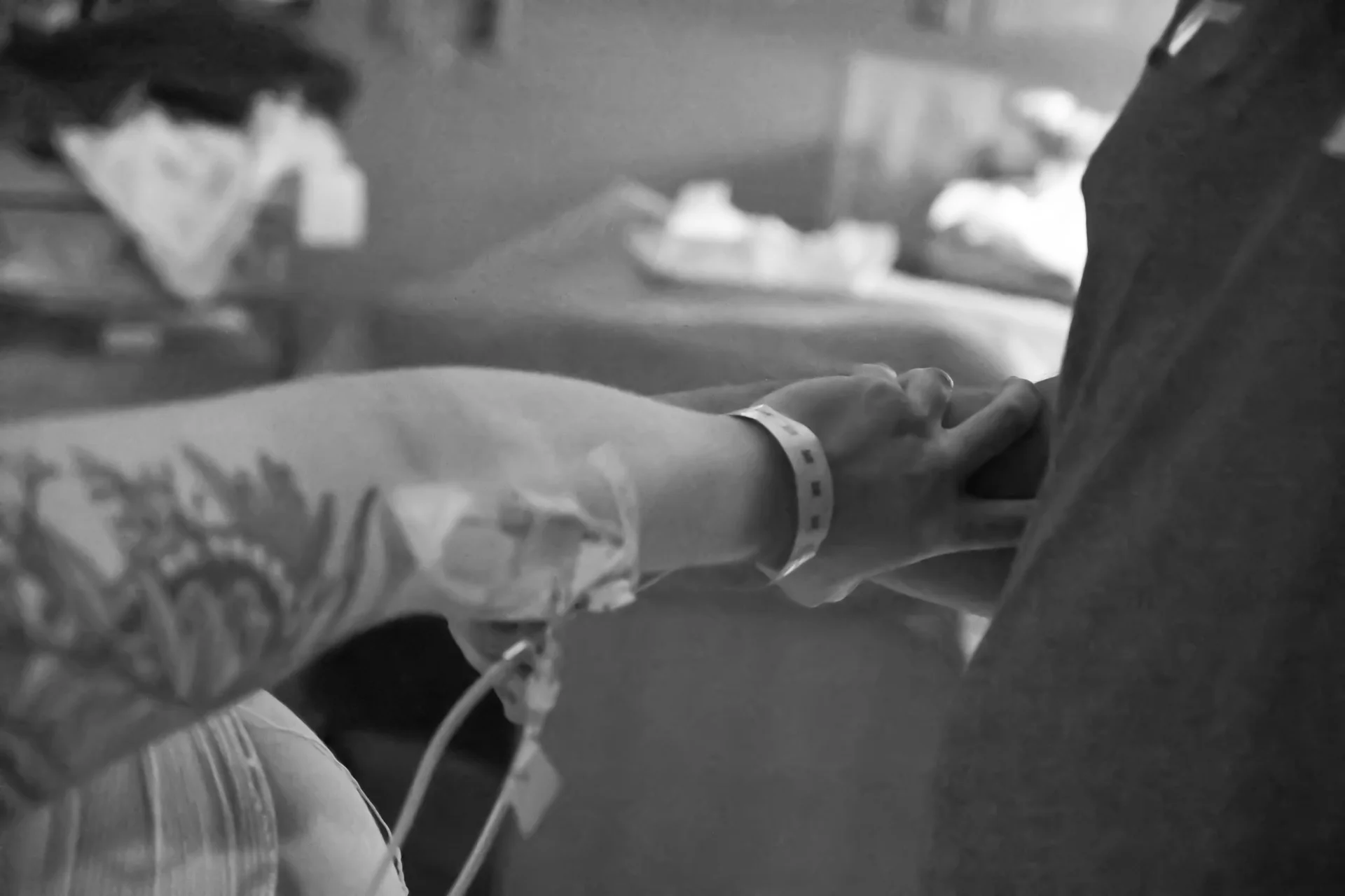
A birth photographer in Des Moines, Iowa is there for a threshold few families can fully describe while they are living it. The room may be quiet, busy, tender, exhausting, funny, or all of those things within an hour. Thoughtful birth photography preserves more than the moment a baby arrives. It holds onto the hand-squeeze, the deep breath before a push, the first look between partners, and the stunned, private joy of meeting someone new.
This is not photography for a perfectly styled day. It is photography for a real one. Choosing the right person means finding an artist whose presence feels calm, whose work honors your individuality, and whose approach makes room for the medical team, your support people, and the pace of your birth.
What a Birth Photographer in Des Moines, Iowa Does
Birth photography is a form of documentary storytelling shaped by care and restraint. A photographer is often on call around your estimated due date, ready to come when labor is established or when your care team gives the go-ahead. From there, they document the arc of the experience without asking you to repeat a moment or look toward the camera.
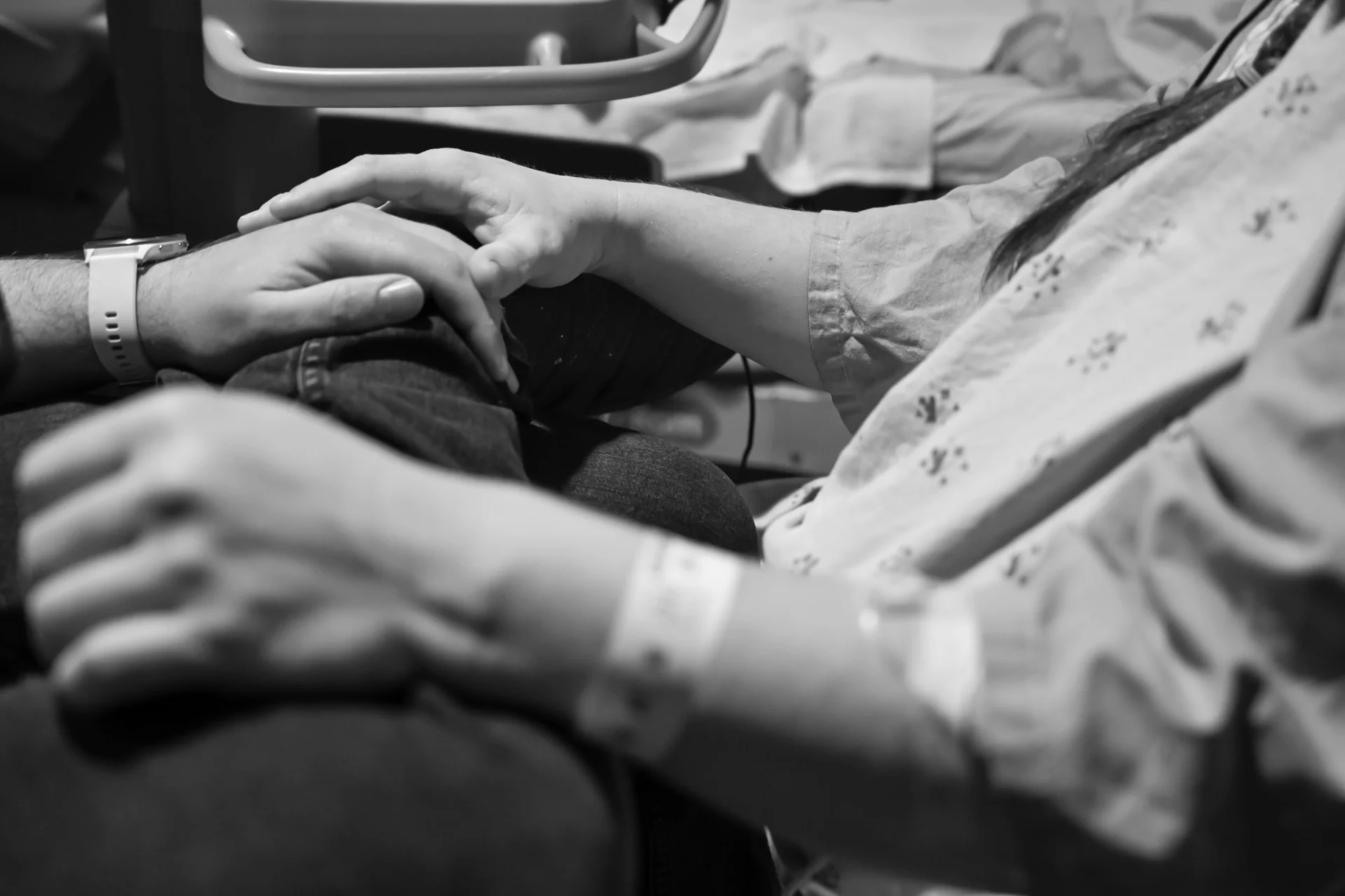
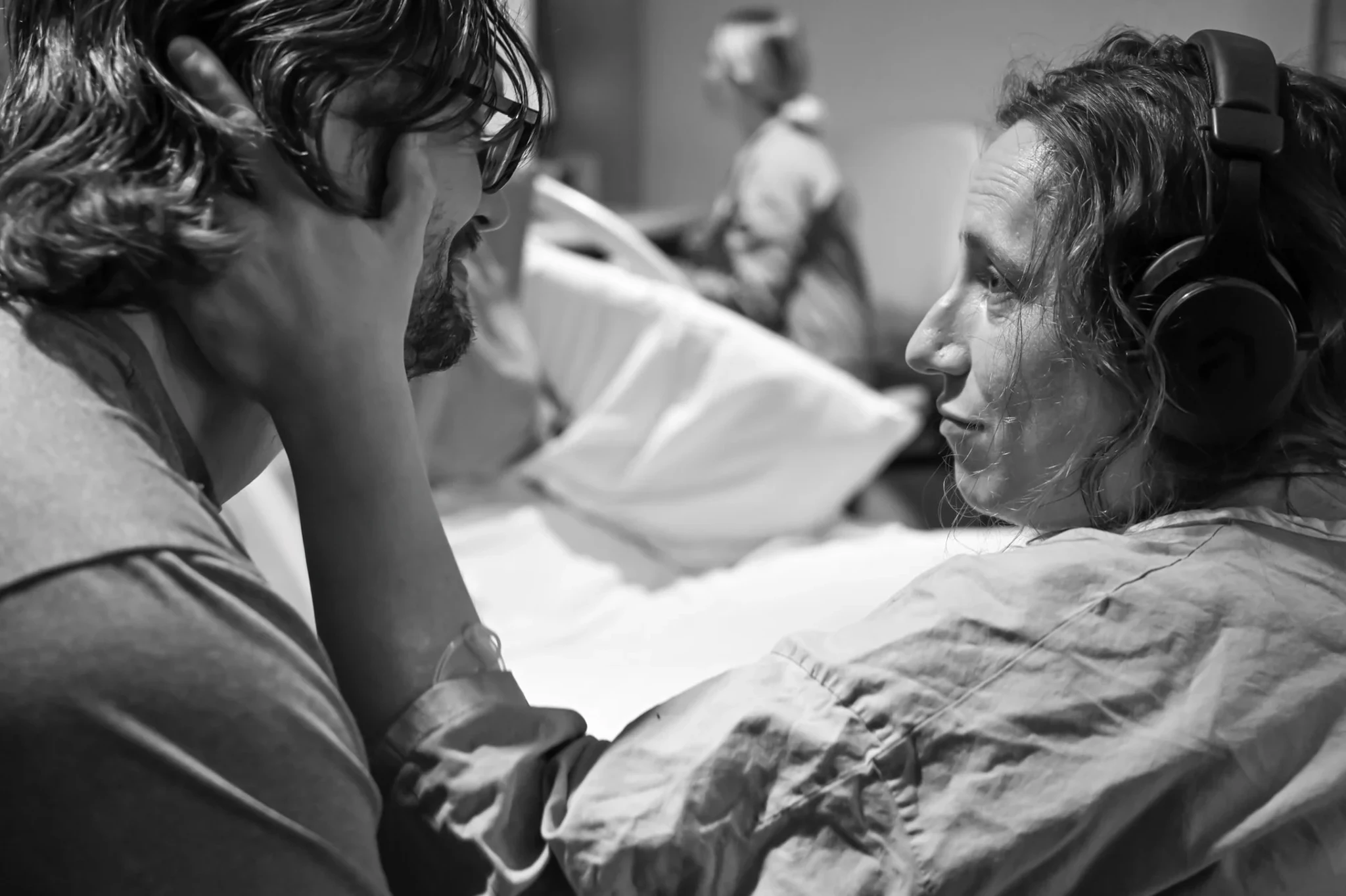
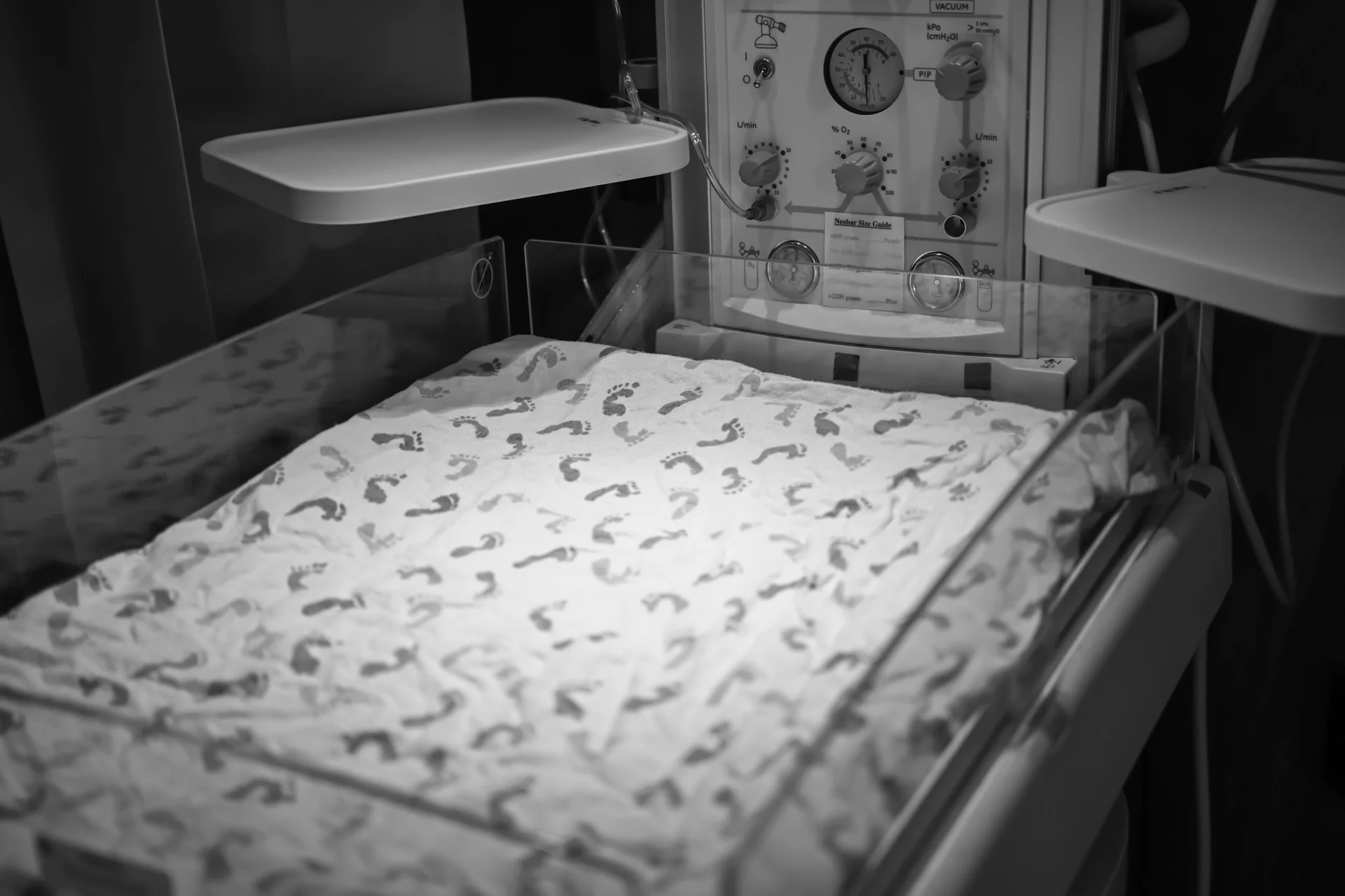
The photographs might include the practical details that later become strangely meaningful: a hospital bracelet, a partner asleep in a chair, a favorite sweatshirt, a grandmother waiting for news. They may also hold the larger moments — the intensity of labor, the first cry, skin-to-skin contact, the weight of your baby against your chest. Every story looks different, and it should.
Some families want close, emotionally immersive coverage. Others prefer a little more distance, with an emphasis on connection, atmosphere, and the first hours together. Neither preference is more meaningful. The right approach is the one that helps you feel protected and understood.
The Presence Matters as Much as the Portfolio
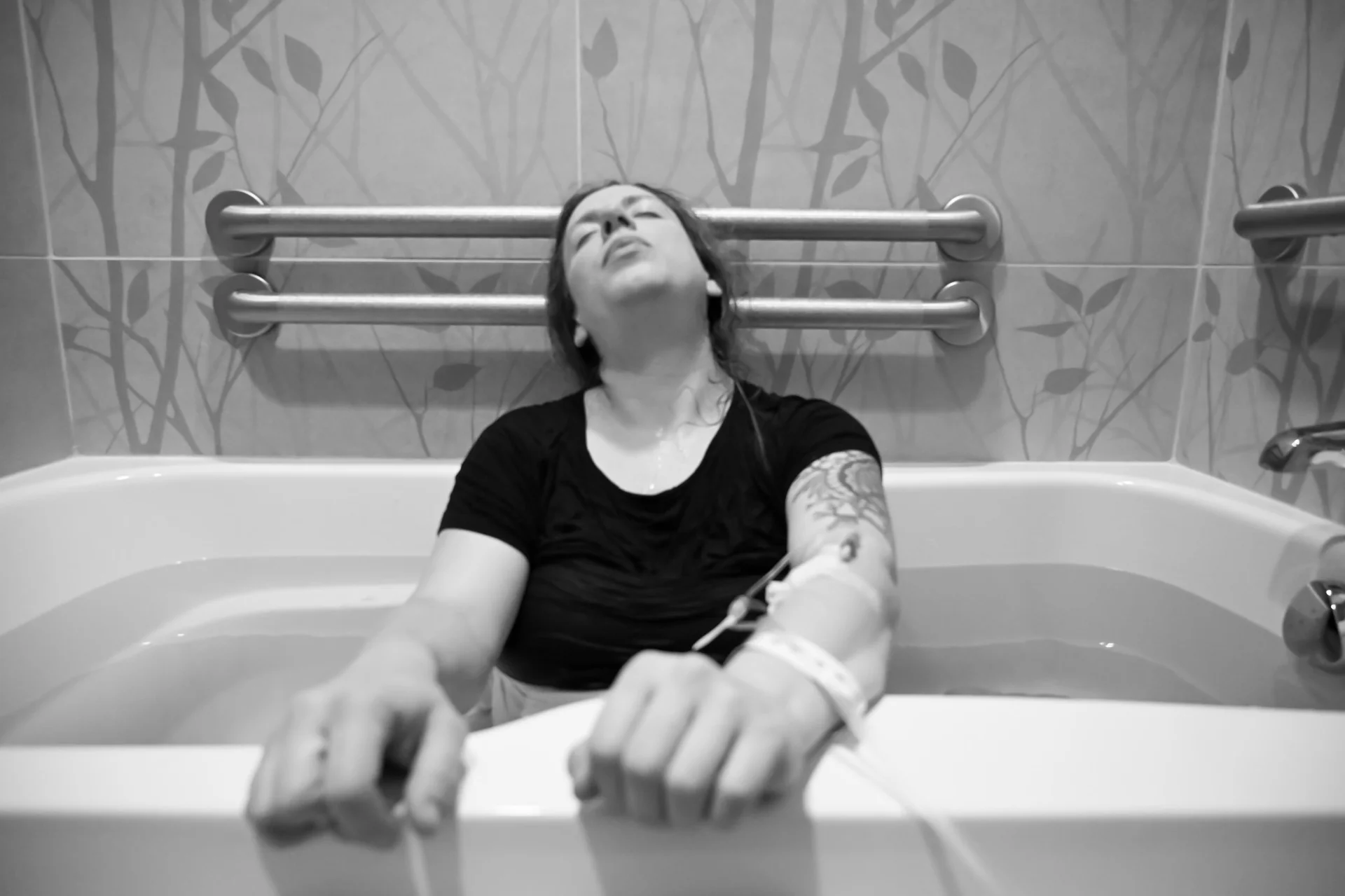
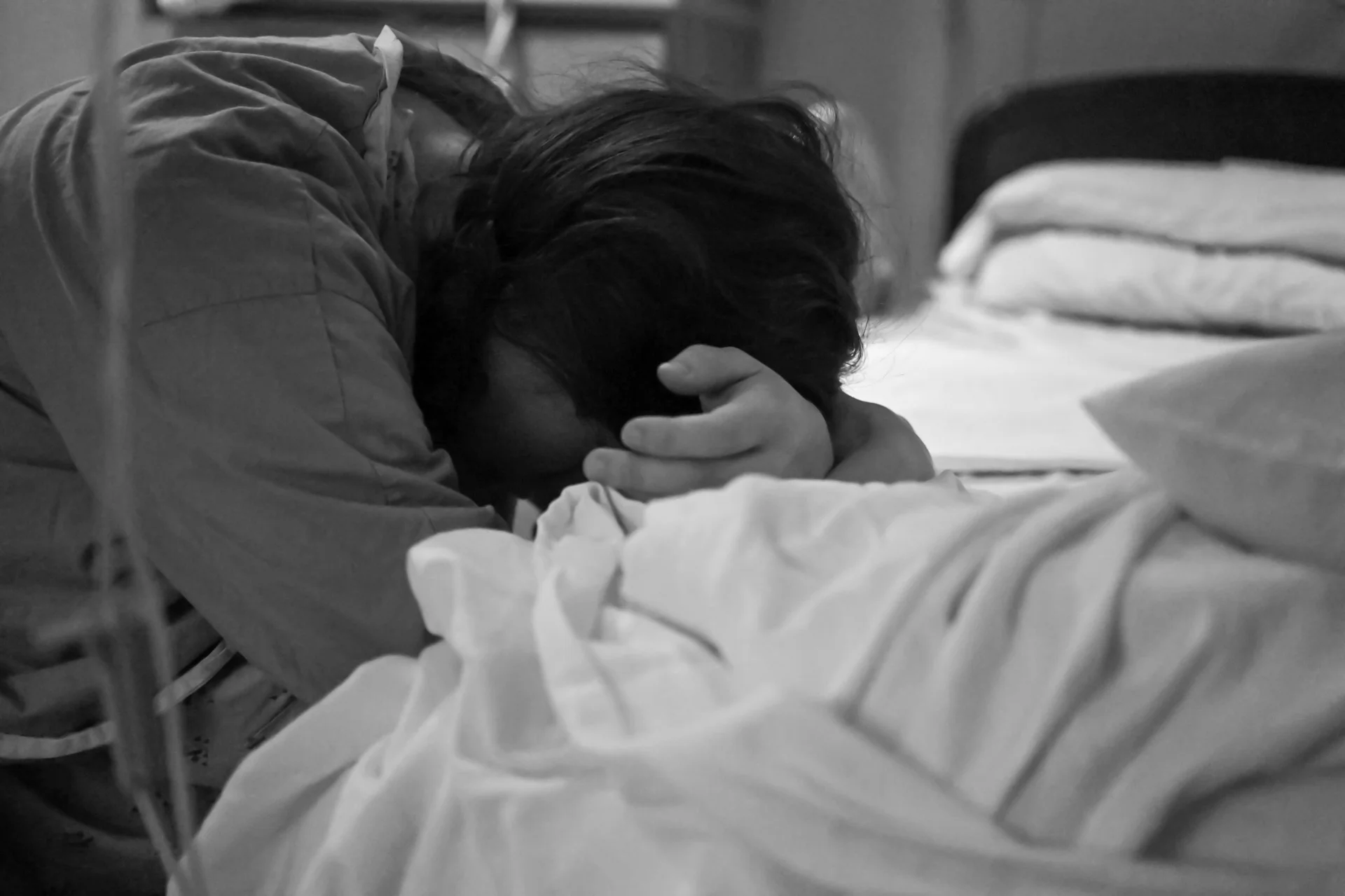
You may love a photographer's use of light and composition, but birth work asks for more than beautiful images. Labor can be unpredictable. Plans change. You may be talkative, silent, overwhelmed, or entirely unaware that photographs are being made. A birth photographer should read the room well enough to adjust without making the experience about their process.
Look for work that feels honest rather than performative. In a strong gallery, you should see expressions that have not been coached away, hands that reach for one another naturally, and a sense of place without clutter or distraction. Editorial refinement still has a place here. A skilled photographer can work with hospital light, tight spaces, and visual noise to create images that feel considered. But polish should never come at the cost of truth.
Ask yourself a simple question while viewing a portfolio: do these photographs make you feel something? Not just admiration for a lovely frame, but recognition. The images you reach for years from now will not necessarily be the most conventionally flattering ones. They will be the ones that return you to the feeling of that room.
A calm approach is not passive
Unobtrusive does not mean disengaged. A prepared photographer knows when to step closer, when to move quietly out of the way, and when a brief word of reassurance is useful. They understand that the room belongs to you and your care team.
This balance is especially valuable in hospital births, where staff may come and go quickly and conditions can shift without notice. It also matters for home births and birth center deliveries, where the environment may feel more intimate but the emotional stakes are no less present. Experience, professionalism, and clear communication make the work feel quieter, even when the day itself is not.
Questions Worth Asking Before You Book
A conversation with a prospective photographer should leave you feeling more settled, not more pressured. Start with logistics. Ask how their on-call window works, when they typically arrive, what happens if labor is fast, and whether they work with a backup photographer. Because babies do not arrive on a schedule, these details are central to the service, not fine print.
It is also wise to ask about their familiarity with your planned birth location. Many Des Moines-area hospitals and care providers have their own visitor, camera, and operating room policies. A photographer cannot promise access where a hospital does not permit it, particularly during a cesarean birth or an unexpected medical situation. A trustworthy professional will be transparent about those boundaries and help you understand possible alternatives.
Talk openly about privacy, too. Some families are comfortable with the full emotional reality of birth in their gallery. Others want photographs that focus on faces, hands, silhouettes, and the connection surrounding the birth. Share what feels private to you before the day arrives. You do not need to know every image you want, but your photographer should know your general comfort level and any firm boundaries.
Finally, ask to see complete stories rather than only highlight images. A curated portfolio shows visual style. A full gallery shows how someone handles changing light, long waits, difficult rooms, and the quieter middle of the story. It reveals whether their work remains attentive after the dramatic moment has passed.
Make a Plan That Can Bend
Birth plans are useful because they help you name your hopes. Photography plans work the same way. A short conversation or questionnaire can cover the people you want documented, meaningful objects or rituals, whether you want images of labor itself, and who should be notified when labor begins.
Still, flexibility is part of honoring the experience. A planned unmedicated birth may become a cesarean. A long labor may lead to a photographer arriving later than expected. Your baby may need immediate medical attention, or you may want the room to become quieter after delivery. None of those changes diminish the story. The purpose of a photographer is not to force the day to match a vision. It is to preserve what it actually became.
If you are unsure whether birth coverage is right for you, consider a Fresh 48 or in-home newborn session. These options document the first days with a gentler pace and more control over the setting. They do not replace the story of birth, but they can be a meaningful fit for families who prefer privacy during labor, have restrictions at their delivery location, or simply want to be fully alone with their support team.
Why These Images Grow More Valuable
In the first weeks after birth, time has a way of blurring. You may remember certain sensations with startling clarity and forget entire conversations. Your partner will remember different details. The photographs become a shared record, not because they explain everything, but because they bring back what words cannot quite hold.
Years later, your child may notice the way you looked at them before you knew their personality, their voice, or the shape their life would take. They may see the people who waited for them and the immense love already gathered around them. That is the lasting gift of birth photography: evidence of a beginning, made with enough honesty to still feel alive.
Choose the person whose work lets you exhale. The one who can make art from real life without asking you to turn your most vulnerable day into a performance. When the room is finally quiet and you are holding your baby close, the photographs should feel like they belong to you — unhurried, honest, and built to last.
Ready to Begin?
Start a Conversation