When the Photo Looks Like a Magazine Page and Makes You Cry at the Same Time
On Artistry, Emotion, and the Space Between
August 19, 2026
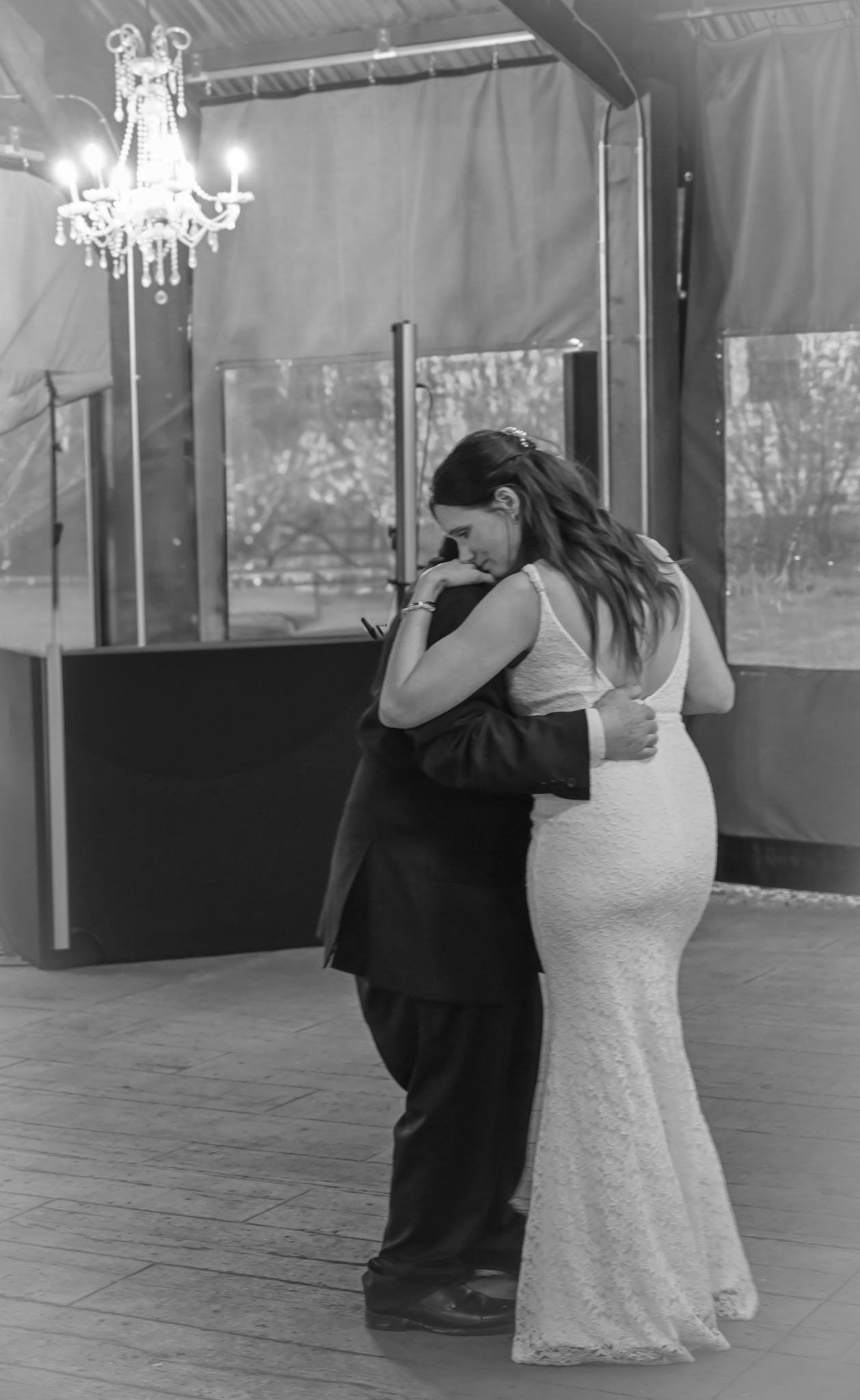
Why "Editorial or Documentary?" Is the Wrong Question
When couples start researching photographers, they often land on one of two camps. There's the editorial photographer — clean, composed, beautiful, a little polished. Think: perfect light, intentional framing, images that feel elevated and curated. Then there's the documentary photographer — spontaneous, honest, present. Think: raw moments, unposed, the kind of photo where someone's mid-laugh with their eyes half-closed and it's the most perfect thing you've ever seen.
Most photographers live primarily in one world or the other. Some lean so editorial that the wedding starts to feel like a styled shoot. Some lean so documentary that the images feel more like event coverage than art.
Neither is wrong. But for me, neither is quite right on its own.
The best wedding photography I've ever seen — and the best I've ever made — happens at the intersection. It's the photograph where the light is beautiful because I noticed it and moved to use it, but the emotion is real because I didn't interrupt it. It's the image that required both a practiced eye and the patience to wait.
That's the approach I bring to every wedding, whether it's an intimate elopement in the woods or a two-hundred-person celebration in a ballroom. And whether I'm working as your wedding photographer in Des Moines, Iowa, or flying to shoot a destination elopement somewhere entirely else, the philosophy is the same: I'm here to make images that are both visually stunning and emotionally true.
What the Documentary Side Actually Looks Like
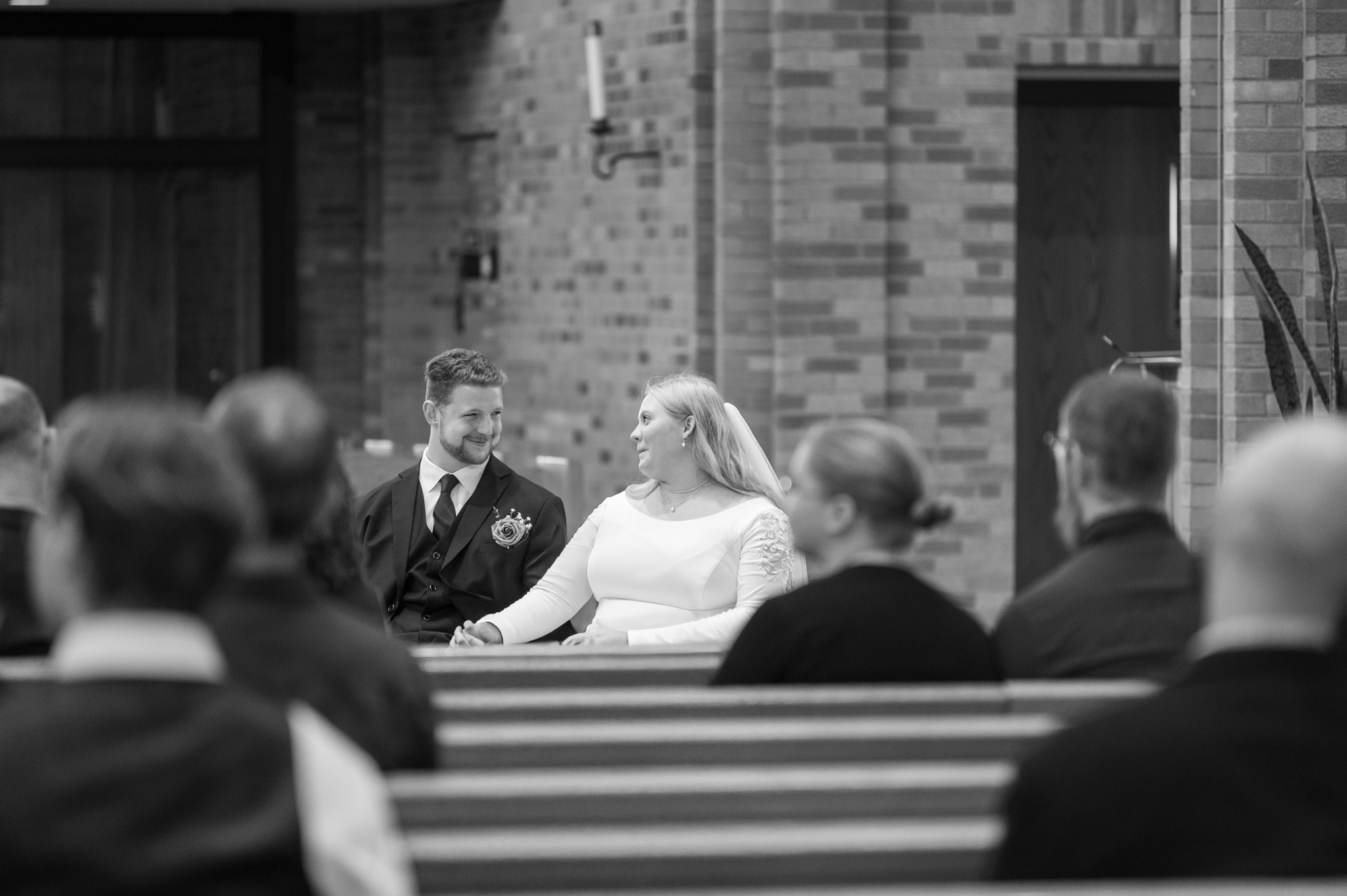
The documentary part of my work is about trust and restraint.
It means I'm paying attention to what's happening between people, not directing it. It means I'm in the corner of the room when your dad sees you in your dress for the first time, not staging the moment by telling everyone where to stand. It means I'm watching your grandmother reach for a tissue, your partner exhale during the vows, your flower girl abandon her petals and just start running.
These moments don't belong to me. I'm not creating them. My only job is to be there when they happen and to not miss them.
The documentary instinct is also what makes me resist the over-orchestrated wedding gallery. You know the one — where every image is perfect and the people in them look somehow both beautiful and slightly stiff, like they knew they were being photographed every single second. That's not what I want for your images. I want you to look at them five years from now and remember how it actually felt. I want your images to feel like memory, not performance.
What the Editorial Side Actually Looks Like
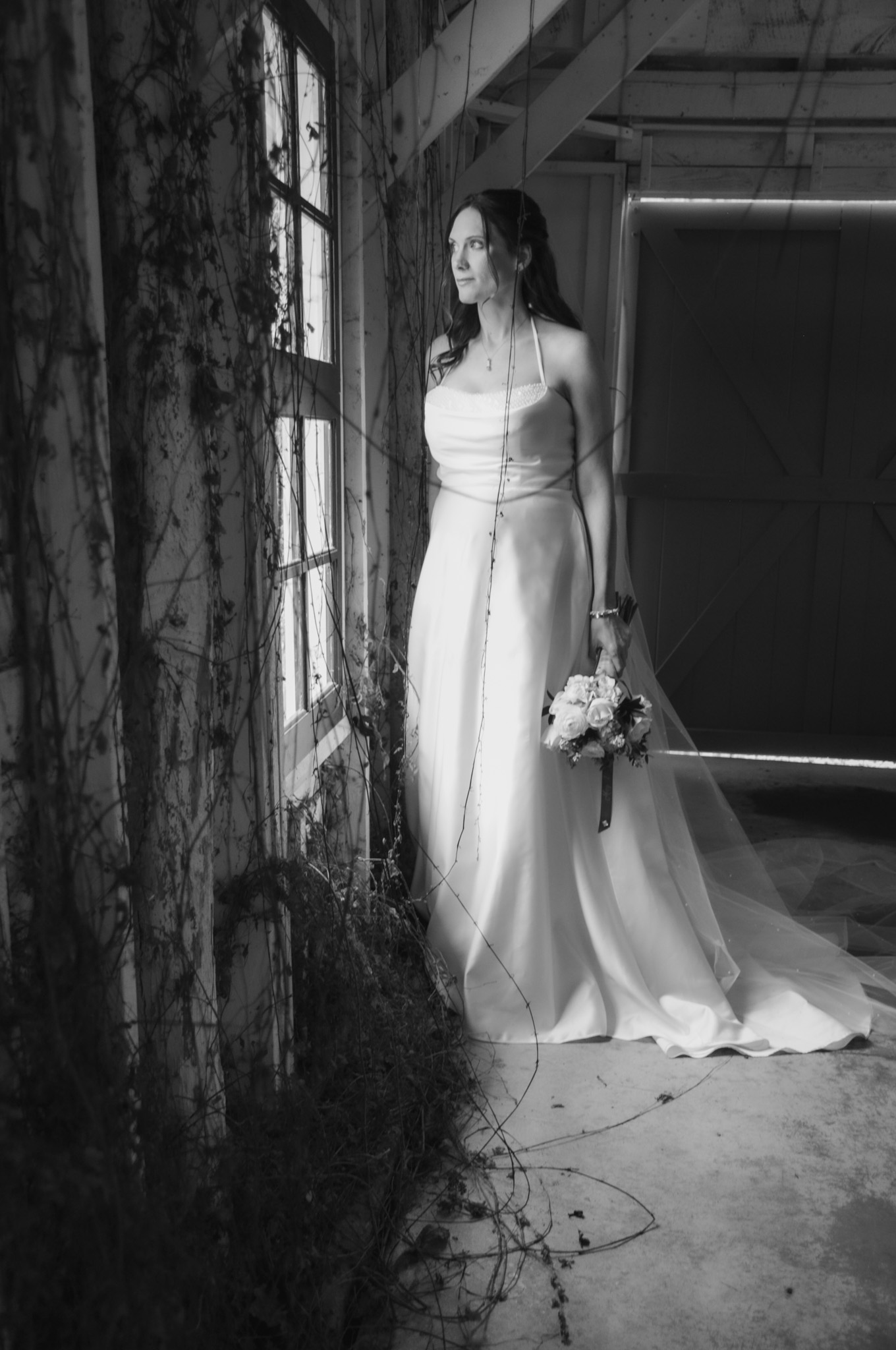
The editorial side is something different. It's the part of my brain that's always thinking about light.
Before your ceremony even starts, I've already walked the venue and made notes. Where is the window? Which direction is the afternoon sun? Is there a doorway that's going to create a beautiful rim light around 4pm? When I guide you to a spot for portraits, it's not random — I've already thought about what the background will do, how the light will fall on your face, what the image will look like in the frame.
This is the part of my work that's intentional and considered. The elevation. The craft.
When I talk about my aesthetic — editorial, cinematic, refined, timeless — this is where that comes from. It comes from thinking about images the way a visual director thinks about a film frame or a fashion photographer thinks about a cover. It comes from understanding that a truly great photograph requires more than just a beautiful moment. It requires that the moment be seen well.
So when I say editorial, I don't mean posed or stiff or disconnected from real life. I mean that when I find a beautiful moment, I'm also thinking about how to frame it in a way that honors it. I'm thinking about what the image will carry — not just for this year, but for decades.
Portrait Time Is Still Part of This
I want to address something directly, because I know it comes up: yes, we do portraits. Dedicated portrait time is part of every wedding I photograph.
Some couples hear "documentary" and think it means I'll never pause to make an image together. That's not how I work. Portrait time is usually 20–30 minutes during golden hour — the light is extraordinary, you've just gotten married, and you get a few minutes away from the crowd to actually be with each other. Most couples tell me afterward it was one of their favorite parts of the day.
What I do differently is that I don't treat portrait time like a shot list to execute. I'm thinking about light. I'm thinking about how you move together naturally. I might ask you to walk, or to just look at each other, or to lean in — not because I want you to perform for the camera, but because I want to see who you actually are together. The results end up feeling both intentional and effortless. That's the goal.
What to Look for When You're Choosing a Photographer
If you're in the process of researching wedding photographers, here are a few things I'd encourage you to think about beyond just liking someone's work:
Pay attention to the in-between moments. The first look and the first dance are easy. What does the photographer do with the hour before the ceremony? With the cocktail hour? With the moments when nothing "important" is happening? That's where you see the real instinct.
Notice what kind of light shows up. If you care about beautiful imagery, the photographs should feel visually intentional — not just snapshots of things that happened. Light matters enormously, and a skilled editorial documentary photographer thinks about it constantly.
Make sure the personality fits. You're going to spend one of the most emotionally intense days of your life with this person. You need to actually like them. Read their blog, watch their videos, send them a note. Pay attention to how they respond. Are they warm? Are they genuinely interested in you? Do they ask good questions?
Ask about their experience with your kind of wedding. If you're planning a destination elopement, ask how many elopements they've shot. If you're planning a large traditional wedding, ask how they handle complex timelines and big family dynamics. Experience with your specific circumstances matters.
A Note on Destination Weddings and Elopements
I'm fully travel-inclusive, which means I'll go wherever your story takes me.
I've photographed weddings across Iowa and Minnesota. When a couple is planning something somewhere beautiful — the Pacific coast, the mountains, a vineyard in another country — I want to be there with them. The travel cost is built into the package. There are no hidden fees, no surprises.
If you're looking for a destination elopement photographer who will actually show up for you wherever you are, let's talk.
The Photographs That Stay With You
I think about this a lot: which photographs do people actually keep?
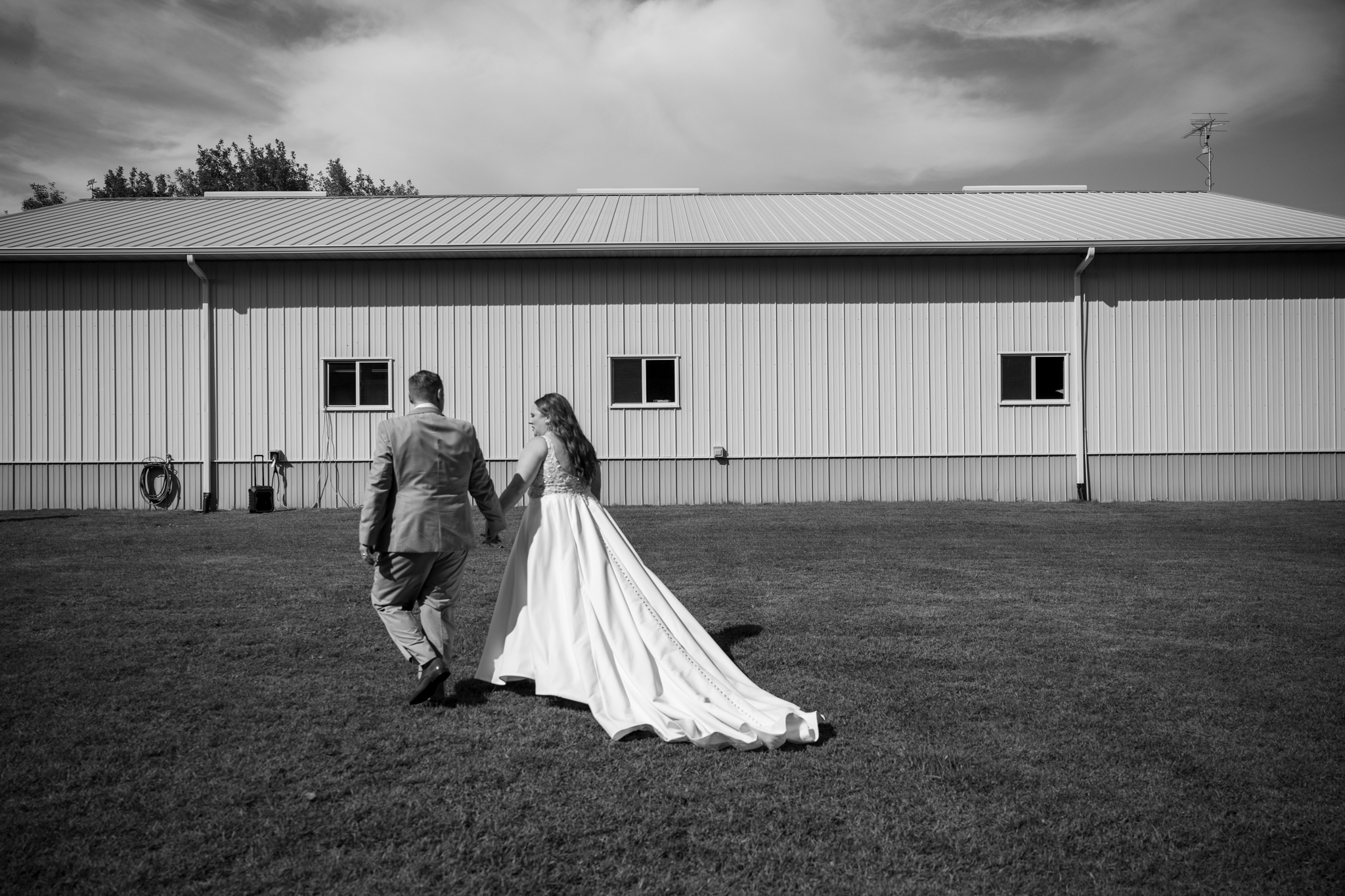
Not the technically perfect ones, necessarily. Not the posed ones where everyone looks great but nobody looks real. The photographs people keep — the ones that get printed and framed and brought out decades later — are the ones that carry something. A feeling. A moment. A person exactly as they were.
That's what I want to make for you. Images that are beautiful enough to hang on your wall and honest enough to take your breath away when you look at them fifteen years from now and remember.
If that sounds like what you're looking for in a wedding photographer in Iowa or beyond — if you want something both visually extraordinary and deeply true — I'd love to hear about your wedding.
Ready to Begin?
Start a Conversation