The Photographs That Gather Meaning With Time
On Choosing Fine Art Wedding Photography in Iowa
August 20, 2026
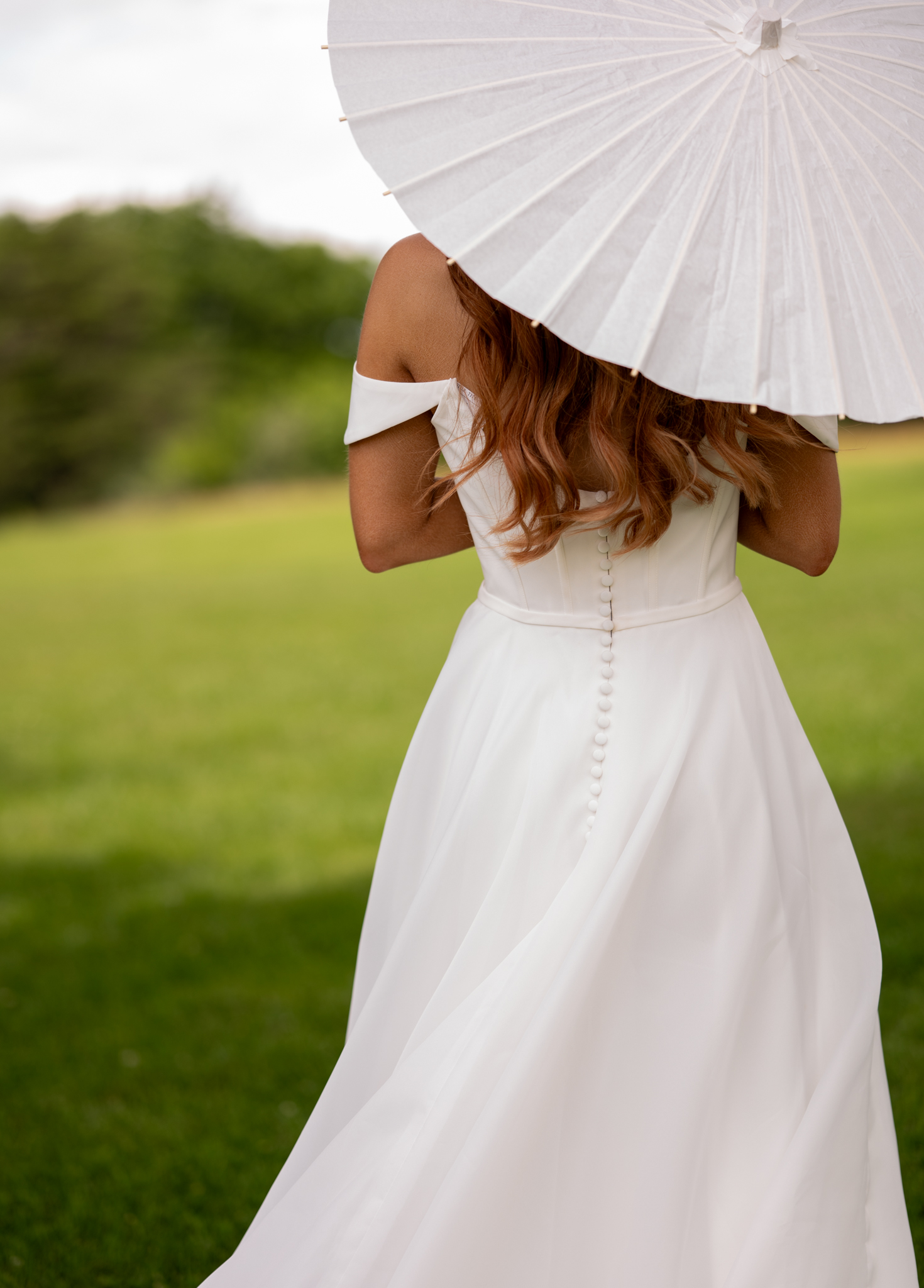
A fine art wedding photographer Iowa couples connect with should offer more than beautiful portraits in beautiful light. They should make room for the moments that cannot be repeated: your father taking a breath before the ceremony, the hand squeeze under the dinner table, the way your friends look at you when the dance floor finally fills. Those are the photographs that gather meaning with time.
Fine art wedding photography is often associated with refined composition, soft light, intentional styling, and an editorial point of view. All of that matters. But for a wedding to feel like yours in the photographs, the polish has to leave room for real life. The best images are not simply proof that every detail was lovely. They carry the feeling of being there.
What Fine Art Wedding Photography Means Here
Fine art is not a single preset, a perfectly posed day, or a gallery built entirely from quiet, sunlit portraits. It is an approach rooted in care. A photographer notices how a room is arranged, how a dress moves, where the light falls, and which details tell the story of the people in it. Then they create photographs with intention rather than rushing through a checklist.
For many Iowa weddings, that also means flexibility. A summer ceremony at a family acreage asks for something different than an artful downtown Des Moines celebration, a winter wedding in Minneapolis, or a destination weekend by the coast. The setting changes. The weather may change quickly. The essential work does not: preserving the atmosphere, the relationships, and the small decisions that made the day personal.
Editorial imagery brings visual clarity to those memories. Documentary coverage protects their honesty. Together, they create a wedding gallery that feels elevated without feeling staged.
Why the Documentary Side Matters
You may love the fashion-forward portraits and thoughtful details that drew you to fine art photography. You may also know that neither of you wants to spend your entire wedding day performing for a camera. These desires do not conflict.
A thoughtful photographer can offer calm, simple direction when it helps. During portraits, that may mean placing you in flattering light, giving your hands something natural to do, and allowing movement instead of asking you to hold a rigid pose. The result is composed, but it still looks like you. You have space to laugh, settle in, and be together.
The rest of the day deserves that same attentiveness. Your grandmother's expression during the vows should not be treated as a filler image. Neither should the loose, joyful chaos of the dance floor or the quiet minutes after the ceremony when the two of you finally have a moment alone. These are not interruptions between portraits. They are the heart of the record.
Choosing a Fine Art Wedding Photographer in Iowa
Start by looking beyond a photographer's most dramatic images. A strong portfolio should certainly show beautiful portraits, considered details, and confident use of light. It should also show people relating to one another. Look for emotion that feels observed rather than manufactured: parents helping with a veil, friends leaning close during a toast, a partner's nervous smile before the aisle.
Then consider consistency. A few exceptional images are easy to admire. A full wedding story is harder and more revealing. Can the photographer work in a dim reception room, during bright midday sun, through an unexpected rain shower, and in the in-between parts of the day? Iowa gives us every kind of weather and venue condition. Experience should feel reassuring, not restrictive.
It also helps to pay attention to how a gallery makes you feel. Do the photographs feel spacious, warm, and lived in? Can you imagine your own people inside them? A visual style may be beautiful, but if every wedding seems to follow the same poses, expressions, and rhythm, it may not leave much room for your individuality.
Ask About the Experience, Not Just the Deliverables
Coverage hours, albums, and final image counts matter, especially when you are making an investment in photography. But the experience of being photographed matters just as much. Ask how portraits are approached, how family combinations are organized, and how the photographer handles a timeline that shifts. Their answers should make you feel more at ease.
The right fit is often someone who can lead when needed and disappear when the moment belongs to you. They can keep family portraits moving kindly and efficiently, then step back while you hug your sister after the ceremony. They can recognize when a styled detail needs a few intentional minutes and when the best choice is to let the scene unfold untouched.
That balance is especially valuable for couples who care deeply about design but do not want their wedding to become a production. Your florals, stationery, clothing, tablescape, and venue deserve to be documented well. So do the people who helped bring them to life.
Build a Day That Leaves Room for Feeling
The most enduring wedding photographs are usually supported by a thoughtful timeline. This does not mean scheduling every minute. It means protecting enough breathing room that the day can remain human.
Consider allowing extra time for getting ready, travel between locations, family portraits, and sunset portraits. A little margin keeps small delays from becoming the emotional center of the afternoon. It also gives your photographer time to notice rather than merely react.
If you are doing a first look, treat it as a private moment rather than a task to complete. If you are waiting until the ceremony, plan for a few quiet minutes afterward before joining cocktail hour. If a large family photo list is important to you, appoint someone who knows your relatives and can help gather people. These decisions do not make the day less spontaneous. They make space for spontaneity to happen without pressure.
Light is worth considering, too. A ceremony held in open shade or timed with softer afternoon light can change the feeling of your images. Still, perfection is not the goal. Some of the most emotionally honest photographs happen in imperfect conditions: wind catching a veil, rain on the windows, a dark reception full of movement. A skilled photographer knows how to work with what the day gives you.
The Value of Images That Age Well
Wedding photography is easy to think of as a present-tense decision. You are planning a celebration now, choosing details now, and imagining the gallery you will receive in the months ahead. But these photographs are made for a much longer life.
Years from now, you may notice the things you barely had time to absorb: the way your mom looked at you during the first dance, your friends' expressions during the speeches, the familiar hands of someone you love. The images become part of your family history. They are brought out on anniversaries, shared with future children, and revisited when the details have softened but the feeling returns immediately.
That is why a fine art wedding photographer Iowa couples choose should value more than what performs well for a season. A photograph can be artful and still be emotionally direct. It can honor the beauty you created while keeping the focus on who you were together.
At Amy Minikus Photo + Film, the aim is unhurried, honest imagery with the visual refinement to live on your walls and the emotional weight to keep calling you back. Choose the photographer whose work makes you feel seen, then give yourself permission to be fully present. The photographs will hold what you were too busy living to notice.
Ready to Begin?
Start a Conversation