Before the Details Are Decided
When to Book a Photographer for Your Wedding
September 17, 2026
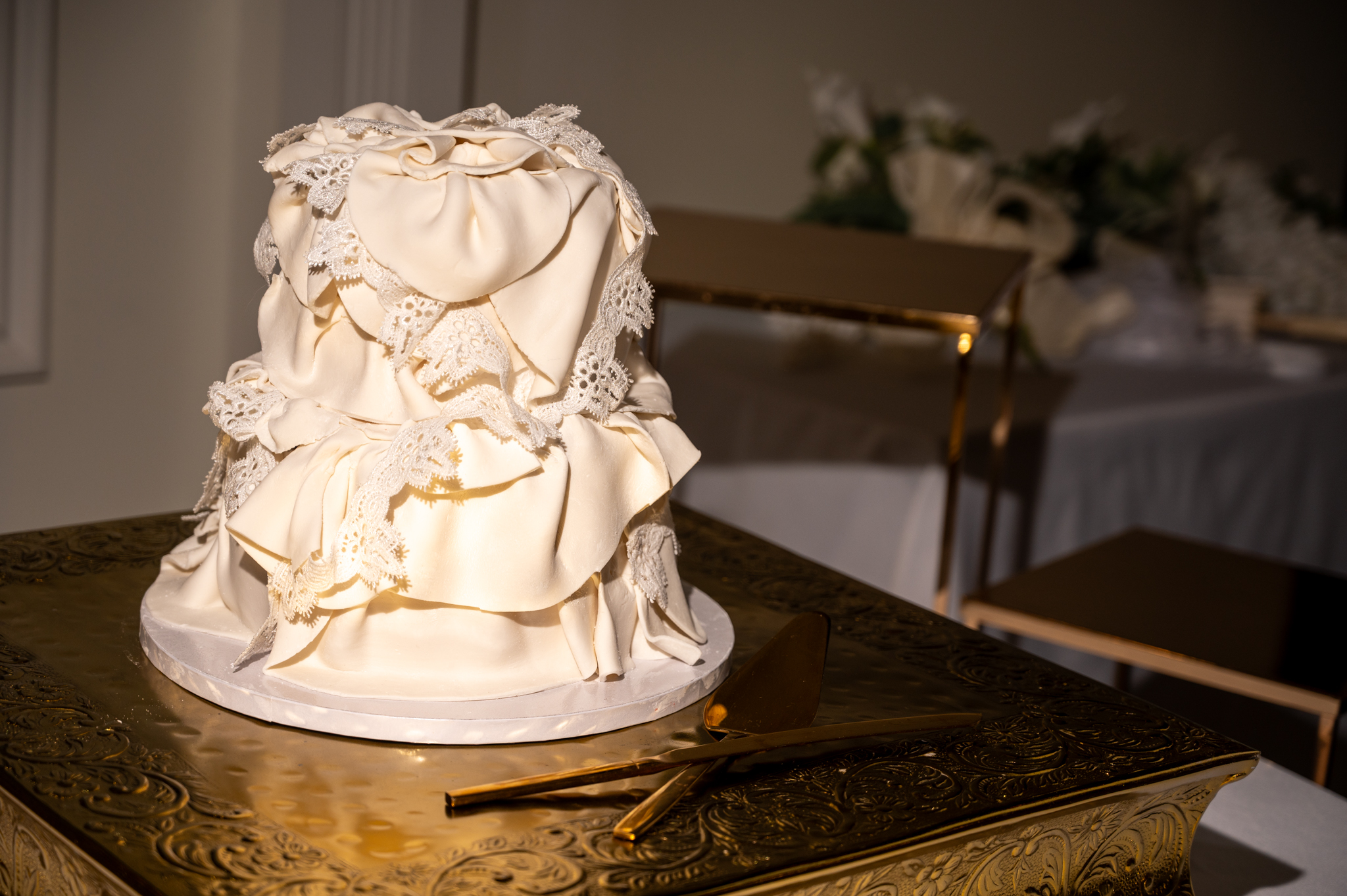
The question of when to book a photographer often arrives right after the venue is secured, when the celebration starts to feel real. You may have a date, a guest count, and a folder full of inspiration, but not yet a clear sense of what needs to happen first. For most couples, photography is one of the earliest wedding vendors worth booking because it shapes far more than the images you receive afterward. It influences the pace of your day, the space you have to be present, and the way those fleeting hours will be remembered.
The simple answer is this: book your wedding photographer as soon as you have a confirmed date and venue, ideally 12 to 18 months before the wedding. If you are planning a popular fall Saturday in Iowa or Minnesota, a holiday weekend, or a destination celebration, earlier is often better. But timing is only part of the decision. The right photographer should make your day feel more like your life and less like a production.
When to Book a Photographer After You Set the Date
Once your venue and date are official, begin reaching out to photographers. Many experienced wedding photographers reserve dates a year or more in advance, particularly for peak-season Saturdays from late spring through fall. Waiting until every detail is finalized can mean finding that the person whose work feels most like you is no longer available.
You do not need your floral plan, full wedding party list, or final timeline before inquiring. A photographer can give you helpful guidance while those pieces are still taking shape. Share the date, location, estimated guest count, and the kind of experience you want to create. If you are drawn to photographs that feel composed but never stiff, candid but still artful, say that. The feeling you hope to preserve matters as much as the visual references you save.
For couples planning a Des Moines wedding, a celebration in Minneapolis, or a gathering farther from home, the same principle applies: a confirmed date gives you something real to hold. From there, you can choose a photographer whose approach gives you confidence, not another task to manage.
A practical booking window
Twelve to 18 months out is an excellent window for most full wedding days. It gives you a strong chance at your preferred photographer and leaves room to plan an engagement session, build trust, and create a photography timeline that protects unhurried moments.
Nine to 12 months can still work beautifully, especially for Friday, Sunday, or off-season dates. At six to nine months, availability becomes more variable. You may find an excellent fit, but flexibility matters more. Couples planning within six months should reach out right away and be open to weekday celebrations, different coverage options, or a photographer with an associate team.
None of this is meant to create pressure. Some of the most meaningful weddings come together quickly. The goal is simply to make room for a choice that will stay with you long after the cake is gone and the flowers have faded.
Why Photography Belongs Early in Your Wedding Plans
Photography is not just a vendor category to check off. Your photographer is one of the few people who will remain close to you through nearly every part of the day: the quiet anticipation while you get ready, the deep breath before the ceremony, the hand squeeze from a parent, the looseness of the dance floor once everyone has exhaled.
Booking early lets you choose based on connection rather than availability alone. You can notice whether a portfolio has a consistent point of view. Are the images beautiful because they are heavily styled, or because the photographer sees people well? Do couples look at ease? Is there room for imperfect, honest emotion alongside refined portraits and thoughtful details?
A polished image can be lovely. A polished image that still feels like you is the one you will reach for thirty years from now.
Early booking also gives your photographer time to become a calm resource. They can help you consider whether a first look fits your hopes for the day, how much time family photographs actually need, and when portraits will have the best light. This is not about turning your wedding into a photo shoot. It is about creating a rhythm where photographs have space to happen without pulling you away from the people you invited.
When You May Need to Book Even Earlier
Some celebrations benefit from an earlier inquiry, even before the one-year mark. If any of these circumstances sound familiar, begin the conversation as soon as you can.
A highly sought-after venue or a peak October Saturday may narrow availability quickly. The same is true for destination weddings, where travel arrangements and multi-day events require more planning. If you are hosting a welcome dinner, a rehearsal gathering, or a full wedding weekend, finding a photographer who can document the larger story is often worth prioritizing early.
You may also want to book sooner if your wedding design is especially location- or light-dependent. A cliffside ceremony, a private estate dinner, or a winter celebration with a short daylight window may require a more intentional timeline. The best photography plans respect the realities of the setting rather than forcing the day into a formula.
Couples who value an engagement session should leave time for that, too. It is not merely another set of images for your save-the-dates. It can be the moment you realize you do not have to know what to do with your hands or perform affection for the camera. You get to see how your photographer guides you, how they make space for natural interaction, and how it feels to be photographed together before the wedding day arrives.
What to Decide Before You Reach Out
You do not need a complete wedding blueprint to contact a photographer. A few clear details are enough to start a meaningful conversation: your date, venue or general location, estimated guest count, and whether you are planning a full wedding day, an intimate celebration, or an elopement.
It also helps to name what matters most to you. Perhaps you care deeply about portraits with your grandparents. Perhaps you want the dance floor documented without interruption. Maybe the morning with your closest friends feels as important as the ceremony itself. There is no right answer, but there is value in recognizing what you want to remember before the day moves too quickly to say it aloud.
Try not to choose solely from a highlight reel of styled images. Ask yourself whether you can imagine your own people inside the work. Look for consistency across different weather, venues, skin tones, family dynamics, and moments of the day. A photographer's artistry should hold up when the light changes, the schedule runs late, or a child decides they are done participating. Real life is not a controlled set, and that is part of its beauty.
How Long Photography Coverage Should Be
The timing of your booking is connected to the coverage you need. A shorter celebration may only require a few focused hours. A full wedding day, especially one with separate getting-ready locations, a first look, a ceremony, portraits, dinner, and dancing, often benefits from more generous coverage.
The trade-off is not simply between more hours and a larger gallery. It is between rushing and having room. When a timeline is too tight, portraits become hurried, family members feel called away, and couples lose the quiet minutes they hoped to have together. With enough breathing room, you can step outside at sunset, linger after the ceremony, and return to your reception knowing the important images have been made.
That does not mean every wedding needs all-day coverage. An intimate courthouse ceremony followed by dinner with a small group calls for a different approach than a 250-person celebration. The right plan is the one that honors the actual shape of your day, not someone else's version of a wedding.
If Your Wedding Is Coming Up Quickly
If you are planning on a shorter timeline, do not assume meaningful photography is out of reach. Reach out with your date, location, and priorities, then be candid about what is flexible. A Friday evening ceremony, Sunday brunch wedding, winter date, or smaller event may open possibilities that a peak Saturday does not.
You can also simplify. Rather than trying to document every tradition, choose the parts that feel most true to you. Make space for the people whose presence will mean the most years from now. A wedding does not become less significant because it is small, quick, or unconventional. Often, those choices make the day feel even more personal.
Your photographs will hold the details you planned, but they will also hold the things you could not schedule: the way your partner looked for you across the room, the laugh that interrupted a toast, the familiar hand resting on your shoulder. Book the photographer who knows the difference, then give yourselves enough time to live the day while it is happening.
Ready to Begin?
Start a Conversation