The Moments You Reach For
What Documentary Wedding Photography Is Really Made For
September 6, 2026
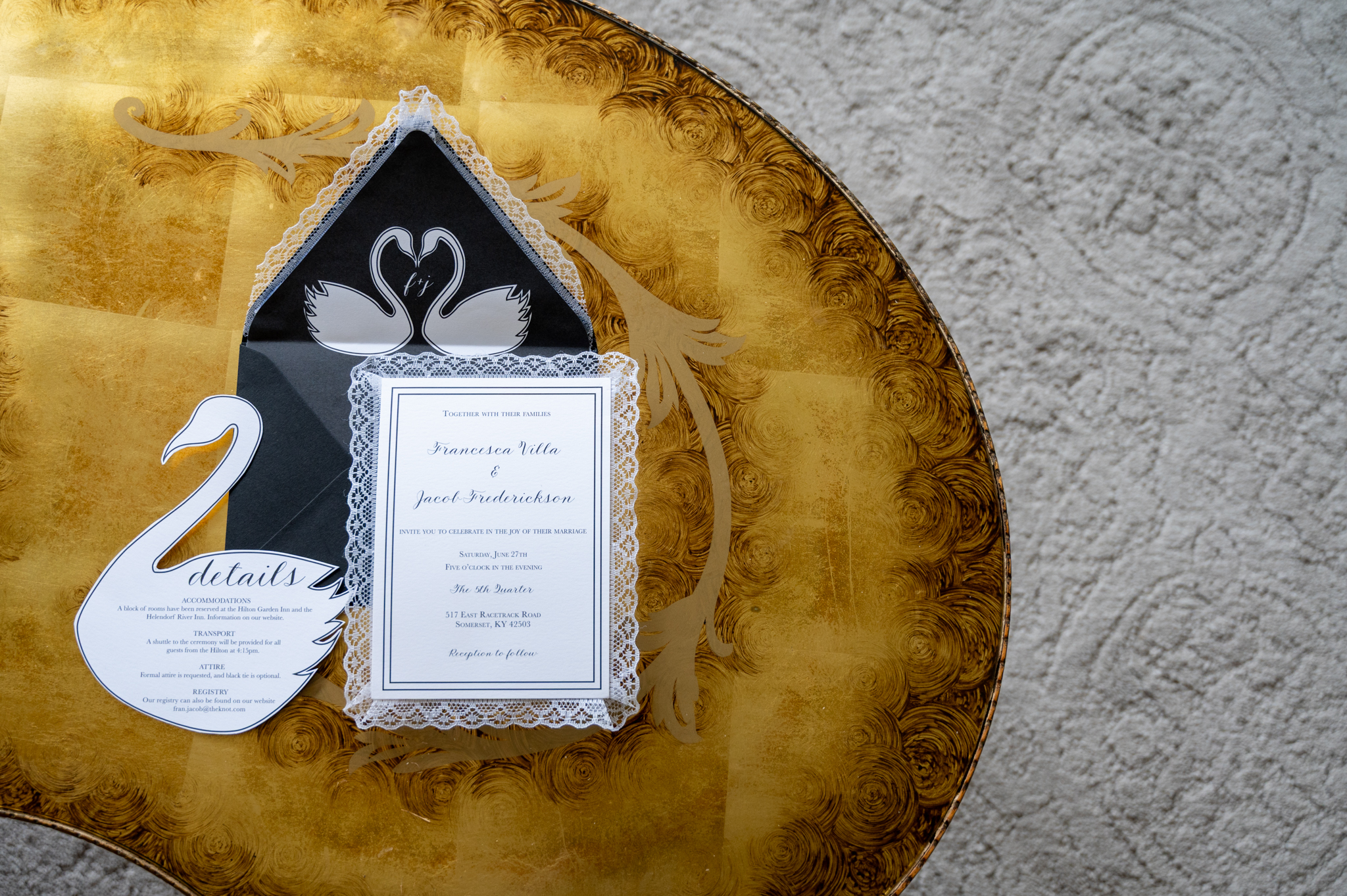
Francesca & Jacob · June 2026
A hand finds another beneath the dinner table. Your grandmother laughs so hard she has to look away. Your best friend straightens your veil before anyone asks her to. These are the moments documentary wedding photography is made for: the small, unrepeatable pieces of a wedding day that carry its real feeling long after the timeline has faded.
The photographs you reach for thirty years from now are rarely only the ones where everyone is looking at the camera. They are the ones that bring you back. The look on your partner's face before the ceremony. The nervous breath before a parent's toast. The blur of a packed dance floor and the quiet that follows it. Documentary work gives those moments room to exist.
What documentary wedding photography actually means
Documentary wedding photography is an observant, story-led approach to photographing a wedding. Rather than constantly arranging people or interrupting a moment to recreate it, the photographer watches closely and responds to what is already unfolding. The goal is not simply to record who was there. It is to preserve how the day felt to live through.
That does not mean a photographer is invisible in every sense, nor does it mean the final gallery is accidental. Thoughtful documentary coverage requires anticipation. A photographer notices the light moving across a room, sees a parent beginning to tear up, and understands when to step closer and when to give a moment space. Timing, composition, and emotional awareness matter just as much as the camera itself.
For couples who care about artful imagery, there is a common concern: will candid photographs still look polished? They can, and they should. The strongest work holds both truths at once. It is emotionally honest while remaining attentive to beautiful light, clean composition, color, and the visual rhythm of the day.
The difference between candid and unconsidered
"Candid" can sometimes be mistaken for unplanned or purely hands-off. But a meaningful wedding gallery needs more than a collection of quick snapshots. It needs a point of view.
An experienced photographer may quietly move you nearer a window while you finish getting ready, suggest that your wedding party take a breath before walking into the ceremony, or choose a portrait location with room for movement and soft, dimensional light. These gentle choices do not manufacture your connection. They make space for it to show up clearly.
This is where a hybrid editorial and documentary approach can feel especially right for couples who want both ease and refinement. You may receive calm direction during portraits, family photographs, and a few intentionally designed moments. Then, when your flower girl decides to wear someone's oversized sunglasses or your siblings gather around you at the reception, the camera is ready without turning the moment into a production.
The trade-off is worth understanding. A fully documentary approach may mean fewer heavily styled images and less control over every background, expression, or weather condition. A more editorial approach can create striking, precise portraits, but it may ask more of you in time and attention. The best balance depends on what you want to remember: not a perfect performance, but a beautiful record of a day that was genuinely yours.
Where the real story tends to happen
The ceremony is important, of course. But the emotional center of a wedding often lives in the transitions. The minutes before you put on your clothes. The car ride between venues. The squeeze of a hand during a speech. The way your friends spill onto the dance floor when a familiar song begins.
These in-between moments are easy to overlook when a wedding day is moving quickly. They are also where personality appears. A documentary-minded photographer pays attention to the people who have shaped your life, not only the two people getting married. Your parents, chosen family, college roommates, nieces, nephews, and the person who traveled the farthest all belong to the story.
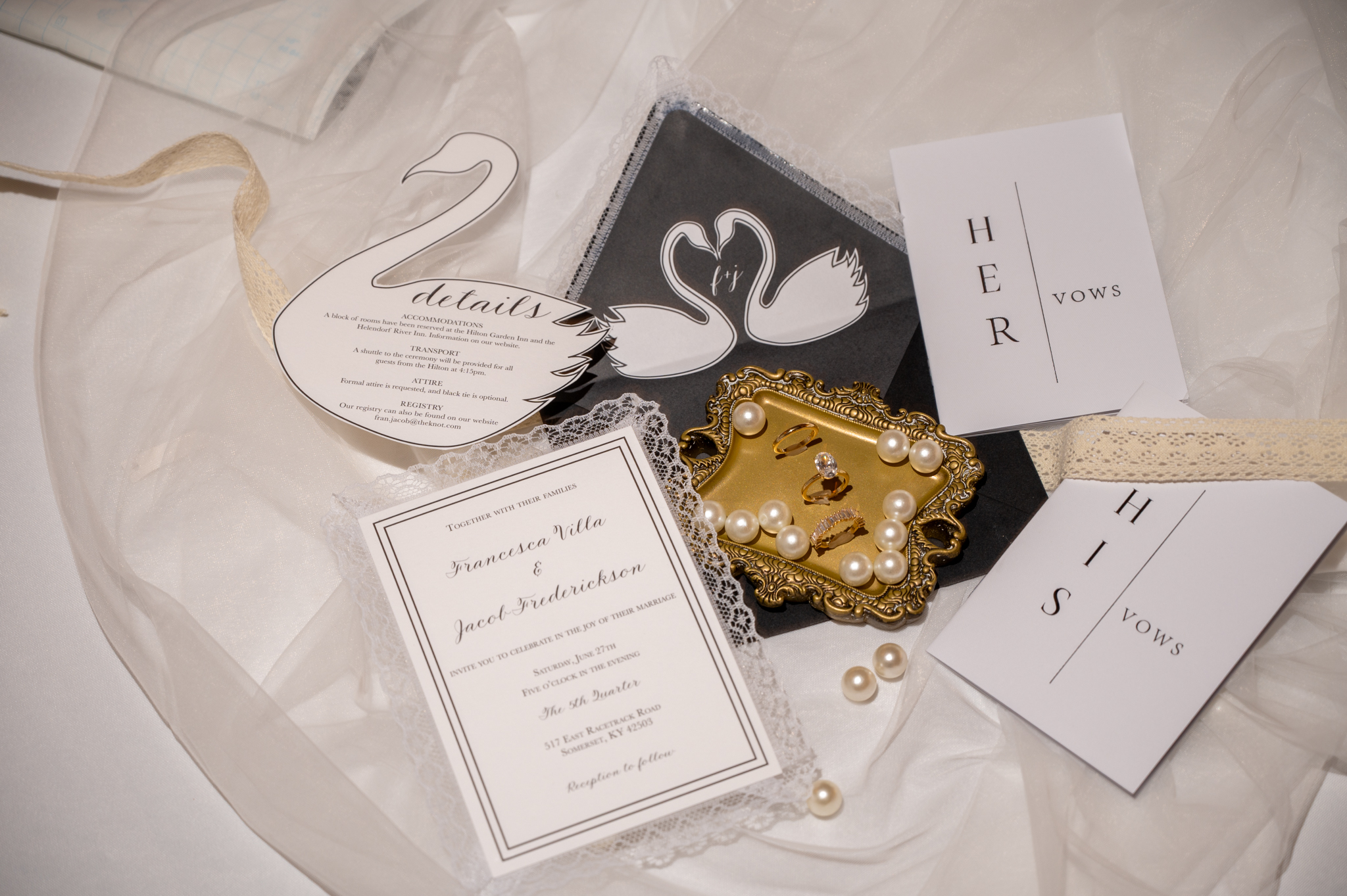
This matters especially for celebrations that have been planned with care. Whether you are marrying in Des Moines, hosting a weekend in Minnesota, or gathering somewhere farther from home, the visual details deserve to be remembered. But flowers, stationery, and a thoughtfully set table gain meaning because of the people who experienced them. An heirloom-worthy gallery holds both: the atmosphere you created and the life that filled it.
How to make room for honest photographs
You do not need to become more photogenic or learn how to act natural. You only need a wedding day with enough breathing room to be present in it.
A realistic timeline is one of the most generous gifts you can give yourselves. Leave more time than you think you need for getting ready, travel, family portraits, and the transition into the reception. When every minute is tightly packed, even joyful moments can begin to feel rushed. A little margin lets laughter unfold, lets you greet the people you love, and lets photographs happen without constantly pulling you away.
Consider where you get ready, too. A calm room with window light, uncluttered surfaces, and enough space for the people closest to you can change the feeling of those early images. It does not have to be enormous or perfectly styled. It simply needs to feel like somewhere you can settle in.
During portraits, trust a little guidance. Most people do not want to spend an hour posing, and they should not have to. A thoughtful portrait experience can be brief, relaxed, and rooted in movement, conversation, and connection. The goal is not to make you look like someone else. It is to create images where you recognize yourselves at your most open and at ease.
Then let the rest of the day breathe. If something runs late, if it rains, if a toast goes longer than expected, there is often still something worth photographing. The moments that do not go according to plan are frequently the ones that become part of your favorite stories.
Choosing a documentary wedding photographer
When you look through a photographer's work, move beyond the highlight images. Ask yourself whether you can feel the relationships in a full wedding story. Can you see how they photograph older relatives, energetic children, a dark reception room, difficult weather, and ordinary moments between major events? Are the images consistent, or do only a few stand out?
Look for photographs with emotional range. Your wedding is not one mood. It includes anticipation, tenderness, relief, joy, nerves, humor, and the occasional chaos that makes a gathering feel alive. A gallery that honors all of it will feel more complete than one built only around perfect smiles.
It is also helpful to consider how you want to feel around your photographer. The right fit is not only aesthetic. You are inviting someone into intimate spaces: the room where you dress, the conversation with your parents, the first private minutes after the ceremony. You deserve someone whose presence feels steady, attentive, and respectful.
Ask how they approach family photographs and portraits, how they handle changing light, and how much direction they typically give. There is no single correct answer. Some couples want a more observational day; others want a few carefully composed editorial images alongside honest coverage. Clarity before the wedding makes it easier to relax when the day arrives.
Photographs that become part of the family story
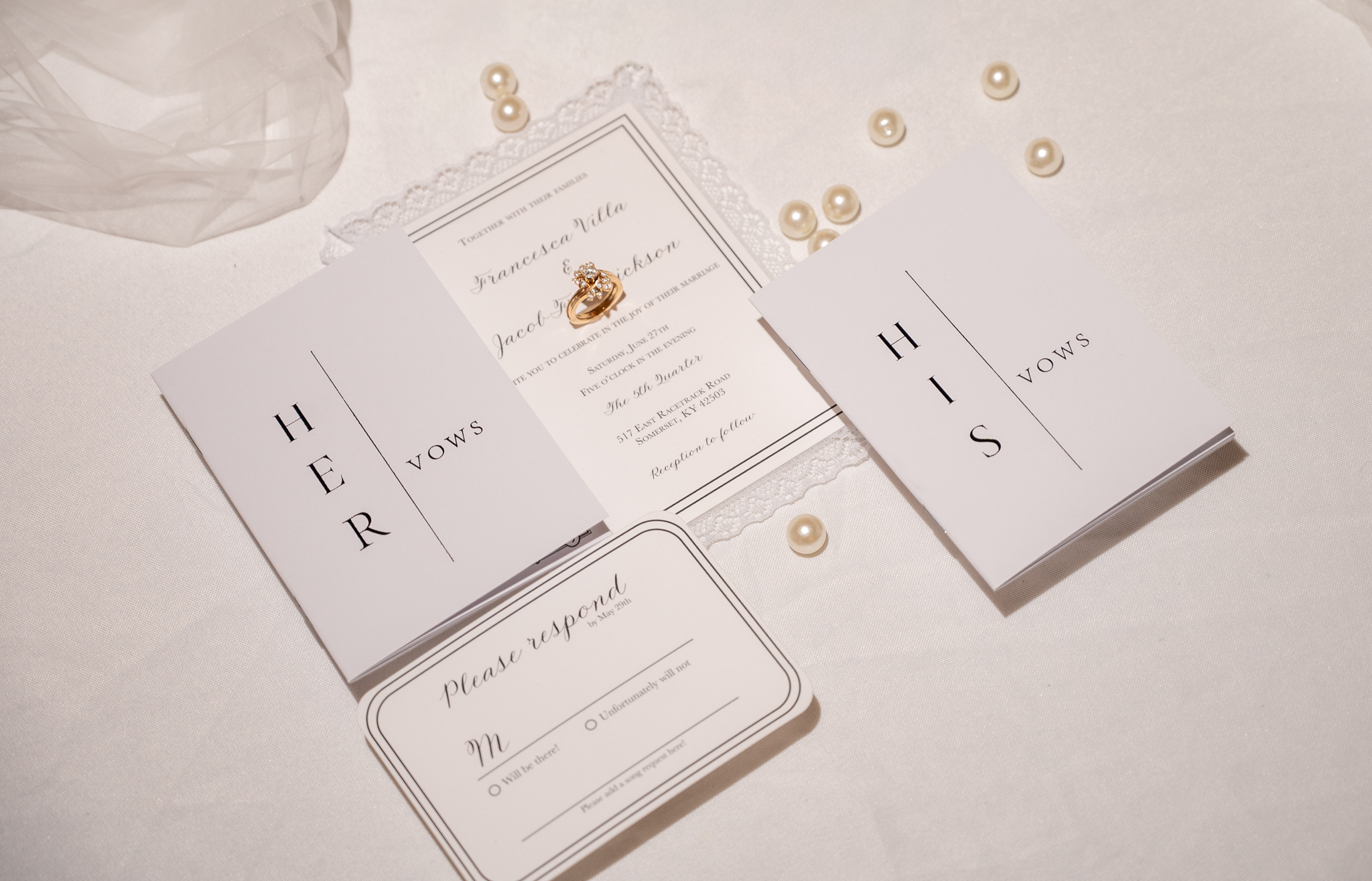
A wedding gallery is not meant to live only on a phone for a few weeks. It can become part of the way a family remembers itself. Years from now, you may notice different things in the same photograph: your father's expression, a friend who has moved away, the particular way your hands fit together before you knew what life would hold.
That is the quiet power of documentary wedding photography. It protects the evidence of real connection. Not just what your wedding looked like, but the people, gestures, and feelings that made it impossible to duplicate.
When you plan your day, leave room for the unscripted. Hold your people close. Let the schedule bend when a meaningful conversation is happening. The photographs will not ask you to remember every detail perfectly. They will simply give you a way back.
Ready to Begin?
Start a Conversation