The Photographer Who Notices the Quiet Moments
On Choosing the Right Elopement Photographer for an Intimate Wedding
August 22, 2026
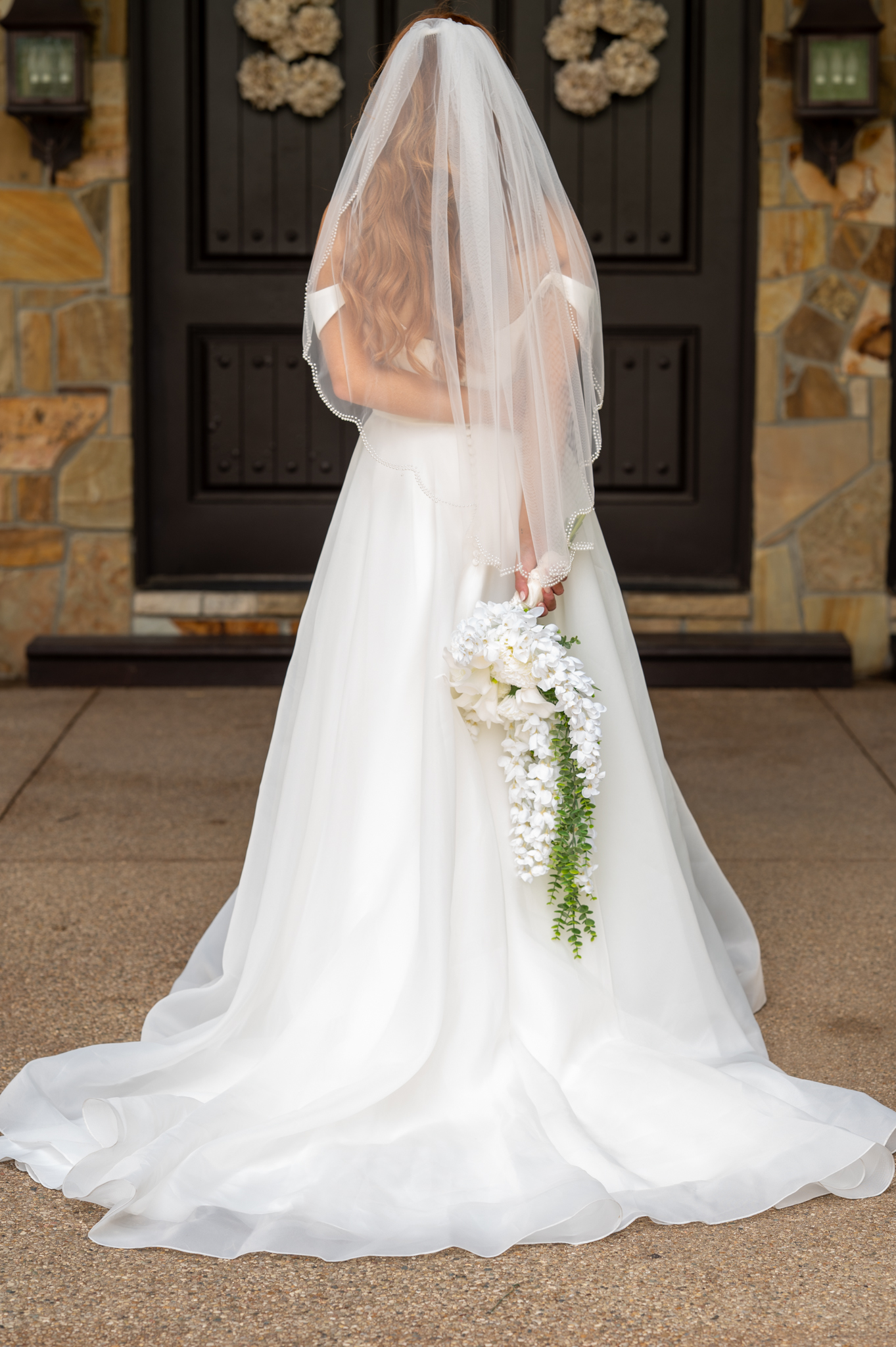
The quiet moment before you walk toward each other. Your grandmother fastening an earring with careful hands. The two of you exhaling after your vows, finally alone for a few minutes. An elopement photographer for intimate weddings should notice these moments as readily as the wide landscape, the beautiful table, or the first kiss.
Small celebrations are not lesser versions of large weddings. They are often more personal, more flexible, and more emotionally exposed. With fewer guests and less noise around you, every relationship and choice carries more weight. The right photographer helps you preserve that feeling without turning a deeply personal day into a production.

What Intimate Wedding Photography Should Feel Like
An intimate wedding does not require less care. It requires a different kind of attention.
You may have ten guests at a private Iowa estate, twenty people gathered at a Minneapolis restaurant, or just the two of you exchanging vows somewhere far from home. Whatever the setting, the photographs should hold both the atmosphere of the place and the truth of the people in it. They should feel composed, but never stiff. Beautiful, but never disconnected from real life.
That balance comes from a hybrid editorial and documentary approach. Editorial work brings an eye for light, composition, movement, and the small visual choices that make a gallery feel cohesive. Documentary work leaves room for what cannot be planned: your dad seeing you dressed, a friend crying through the ceremony, the look you share when something goes slightly off script and becomes part of the story.
You should not have to choose between images that look refined and images that feel like you. A skilled photographer can offer gentle direction when it helps, then step back when the moment belongs to you.
How to Choose an Elopement Photographer for Intimate Weddings
The best fit is rarely determined by a single portfolio image. Look for consistency, emotional range, and a working style that lets you be present.
Look beyond the hero portraits
A beautiful mountaintop portrait or perfectly styled flat lay can be compelling, but it tells you very little about how a photographer handles a full wedding day. Ask yourself whether their work shows a complete emotional story. Can you see candid connection, varied lighting situations, meaningful family interactions, and quiet in-between moments alongside the polished portraits?
For an intimate wedding, those in-between images matter even more. There may be no packed dance floor or grand reception entrance to fill the story. The day is carried by texture: coffee shared while getting ready, hands held during the ceremony, a long dinner conversation, the wind catching your veil as you leave.
Pay attention to how the images make you feel
Style is more than a preset or a color palette. Notice whether the photographs feel warm, honest, and dimensional. Are skin tones natural? Do black-and-white images feel intentional? Is the editing likely to feel as relevant thirty years from now as it does now?
Trends can be fun, and your day should reflect your personal taste. Still, your wedding photographs are among the few things you will keep returning to long after the flowers are gone and the menu has been forgotten. Choose work with a sense of longevity, not just immediate novelty.
Ask about direction, not just coverage
Many couples worry that "candid" means being left to figure out what to do in front of the camera. It should not. Calm, thoughtful direction makes room for natural photographs. It might be as simple as being placed in flattering light, given a reason to move together, or prompted to focus on each other rather than the camera.
Ask a prospective photographer how they approach portraits, family photographs, and unscripted moments. Their answer should make you feel relieved, not like you need to become a model or manage your own timeline.
Consider experience with small, flexible days
Elopements and intimate weddings often move differently than traditional weddings. Timelines can shift with weather, travel, a courthouse appointment, a ceremony location, or the desire to linger over dinner with the people you chose to invite. A photographer experienced in this kind of celebration knows how to make room for the unhurried parts while protecting enough time for meaningful imagery.
This matters whether you are planning in Des Moines or traveling farther away. A beautiful location is never a substitute for a thoughtful plan. Your photographer should help you consider light, privacy, travel time, and what will allow you to actually enjoy the place you chose.
The Questions Worth Asking Before You Book
A good conversation reveals more than an online inquiry form ever can. Ask to see a full gallery from a celebration similar in size or pace to yours. This lets you see how a photographer tells a story from beginning to end, not only the most dramatic frames.
It is also helpful to ask how they support the planning process. For smaller weddings, photography often has a greater influence on the rhythm of the day. Your photographer may help you think through the best ceremony time for light, how long portraits realistically take, where family photos can happen without interrupting your celebration, and when to build in breathing room.
Discuss backup plans, especially for outdoor ceremonies or destination travel. Rain does not ruin an elopement, but uncertainty can create stress when no one has thought through alternatives. A prepared professional will have practical solutions while still honoring the atmosphere you wanted.
Finally, talk about what matters most to you. Maybe it is a private first look. Maybe it is an image with every person at the dinner table. Maybe you want ten quiet minutes at sunset, away from everyone else. The more clearly your photographer understands your priorities, the more intentionally they can photograph the day.
Make Space for the Photos You Cannot Plan
The strongest intimate wedding galleries are not built on a packed shot list. They are built on trust and enough space for real life to happen.
Plan your formal family photographs with care, especially if older relatives are attending. A concise list and a designated family helper can make this portion feel easy rather than chaotic. Then leave the rest of the day open enough to notice what is happening around you.
If portraits matter to you, protect time for them. Twenty focused minutes in beautiful evening light will usually feel more relaxed and yield more meaningful photographs than trying to fit portraits into five rushed minutes between events. But do not schedule every minute around the camera. Your celebration needs room for a slow meal, a spontaneous toast, a walk together, or the conversation that makes you forget the photographer is nearby.
For an elopement with only the two of you, this balance becomes even more important. You can build a day around what genuinely feels good: a private morning, an adventurous hike, a courthouse ceremony, a favorite meal, or an evening somewhere beautiful. The photographs become stronger when the experience is not designed only to be photographed.
Let the Day Be Small on Purpose
There is a particular kind of confidence in choosing a wedding day that fits your life instead of someone else's expectations. You may want fewer people because you want more time with each one. You may choose a destination because a place holds meaning for you. You may simply want a day that feels quieter, more private, and more like your relationship.
Those choices deserve to be documented with care. Not as content for a single season, but as an honest record of who you were with each other at this beginning.
Choose the photographer whose work gives you room to be fully there. Years from now, the images you reach for will not only show where you stood or what you wore. They will bring you back to the hand you held, the people who witnessed it, and the feeling of knowing you chose the day that was right for you.
Ready to Begin?
Start a Conversation