How to Choose a Wedding Photographer
Looking beyond the highlight reel to find someone you can trust with your day
August 30, 2026
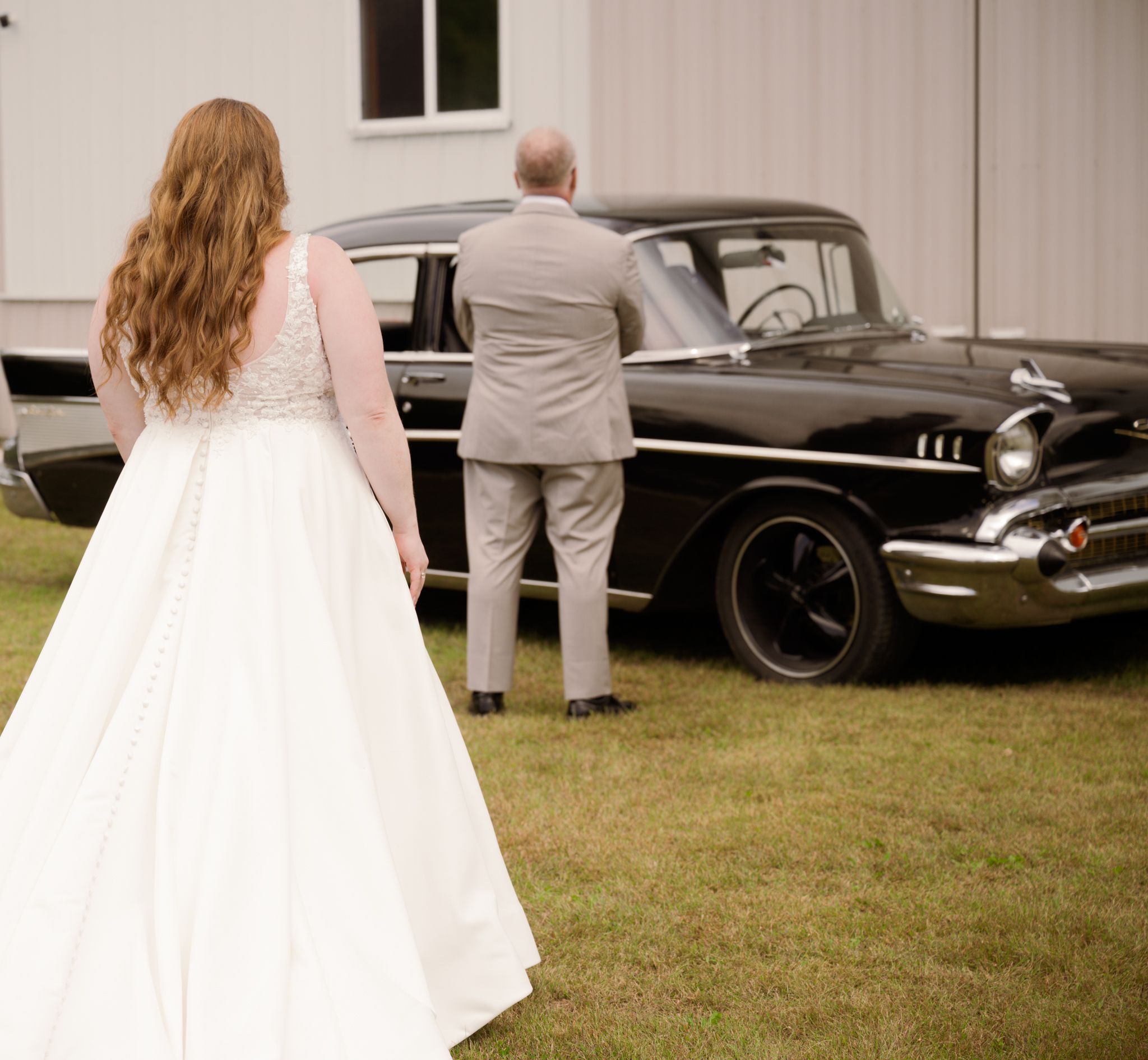
Your wedding photographs will outlive the linen colors, the menu cards, and the last song on the dance floor. They will become the evidence of how it all felt: your mother's expression before the ceremony, your partner reaching for your hand, the full-bodied laughter you did not know anyone saw. Knowing how to choose a wedding photographer means looking beyond a beautiful highlight reel and finding someone you can trust with the living, unscripted parts of your day.
For couples planning an intentional celebration in Des Moines, across the Midwest, or somewhere farther from home, the right fit is both artistic and personal. You deserve images with polish and feeling, along with an experience that lets you stay close to the people you came to celebrate with.
Start With the Feeling You Want to Remember
Before comparing packages or scrolling through social feeds, pause with a more useful question: what do you want it to feel like to look at these photographs in thirty years?
Maybe you want to remember the quiet anticipation of getting ready with your sister. Maybe it is a packed dance floor, an intimate backyard dinner, or the landscape that made a destination celebration feel like yours. These answers give you a clearer direction than broad labels such as "light and airy" or "candid."
Style matters, but it is more than a preset or a pose. Look for a photographer whose work holds both beauty and life: considered composition, flattering light, honest movement, and expressions that do not appear borrowed from someone else's wedding. If you are drawn to editorial images, consider whether you also see warmth, ease, and real connection in the portfolio. A highly polished photograph is most meaningful when it still feels like you.
Look at Full Wedding Galleries, Not Just Favorites
A social media feed is a collection of best moments across many celebrations. It can show an artist's point of view, but it cannot fully show how they handle a full wedding day.
Ask to view complete galleries from weddings with a similar timeline, season, or venue type to yours. Notice the transitions: getting ready in a dim hotel room, a ceremony in difficult midday light, family portraits, reception toasts, and the energy after dark. The question is not whether every frame looks identical. It is whether the coverage feels consistent, thoughtful, and complete.
As you look, pay attention to the moments that are easy to overlook. Are family members photographed with care? Do images of the room and details support the story rather than interrupt it? Can you feel the rhythm of the day? A strong full gallery makes room for both the artful portrait you might frame and the fleeting glance you will return to because it brings someone back to you.
Understand How They Work on a Wedding Day
The way a photographer photographs is inseparable from the way your day feels. Some couples want substantial direction and a fashion-forward, carefully constructed portrait experience. Others want almost no interruption. Most want something in between: calm guidance when it helps, then enough space to be present.
Ask a prospective photographer how they approach portraits, family formals, and candid coverage. A photographer who blends editorial and documentary work may gently shape the light, offer simple prompts, and keep portraits moving so they feel natural rather than stiff. Then, during the ceremony, toasts, hugs, and dance floor, they should know when to step back and let the moment breathe.
There is no universally correct approach. If you love a fully directed, magazine-inspired look, choose someone whose process supports it. If the thought of extended posing makes you tense, choose a photographer who can create refined images without turning the day into a production. The goal is not to be invisible or constantly visible. It is to be attentive, prepared, and responsive to what your day needs.
Ask Questions That Reveal the Experience
A consultation should feel like a conversation, not an interrogation. You are learning whether this person understands what matters to you and whether their presence will bring calm to a day already full of emotion.
A few questions can reveal a great deal: How do you help couples feel comfortable when they are not used to being photographed? How do you build a timeline that protects time for portraits without pulling us away from our guests for too long? What is your approach when weather, travel delays, or a late-running schedule changes the plan? How do you photograph family dynamics and meaningful guests with sensitivity? What will communication, delivery, and preserving our images look like after the wedding?
Listen for answers that are specific rather than rehearsed. A seasoned photographer will have a process, but they will also be curious about your people, your priorities, and the pace you hope to keep. You should leave the conversation feeling understood, not managed.
Consider the Value Beyond Hours of Coverage
Photography pricing can be difficult to compare because the offerings are not identical. Two collections may list the same number of hours, yet include very different levels of planning support, experience, editing, backup preparation, and finished artwork.
Rather than focusing only on an hourly rate, ask what is behind the investment. Is there a planning consultation? Will your photographer help shape a realistic portrait timeline? Is a second photographer included when your guest count or logistics call for one? How are images backed up and delivered? Is there guidance for turning digital files into albums and prints that can live in your home?

A wedding gallery is not simply a batch of files to store and forget. The photographs you print, pass around at holidays, and someday show to younger generations become part of your family's visual history. That does not mean every couple needs the largest collection or every possible add-on. It means choosing with the long view in mind, especially when photographs are among the few parts of the day that grow more valuable over time.
Make Sure the Logistics Are Covered
The emotional fit is essential, and the practical details protect it. Confirm that your photographer is experienced with your venue type, whether that means a downtown Des Moines celebration, a northern Minnesota weekend, or a destination gathering with unfamiliar terrain and travel schedules.
Review the contract carefully. It should make coverage hours, payment dates, cancellation or rescheduling terms, travel expectations, delivery timing, and image rights clear. Ask about insurance requirements if your venue has them, as well as contingency plans for illness, equipment failure, or an emergency. These conversations are not unromantic. They are what allow you to relax when the day arrives.
If photo and film are both part of your vision, ask how those teams collaborate. The best result is not two groups competing for the same moment. It is a shared rhythm that protects your time, your light, and the natural flow of the celebration.
Trust the Work, Then Trust Your Response to It
Sometimes the decision becomes clearest after the practical questions are answered. Return to the work. Notice which galleries linger with you. Are you responding only to the design of the wedding, or can you sense the relationships in the photographs? Do the couples look at ease? Do the images make you curious about the stories behind them?
Then consider your own response to the photographer. You do not need to become best friends, but you should feel safe being yourself around them. You should be able to imagine them entering a quiet room before the ceremony, navigating a tender family moment, and standing nearby when you are laughing so hard you forget the camera is there.
The right photographer will not ask you to perform your wedding for the lens. They will help you slow down enough to see it, then preserve the parts that become more precious with every passing year.
Ready to Begin?
Start a Conversation