Room to Let the Day Unfold
How Many Wedding Coverage Hours Do You Need?
September 20, 2026
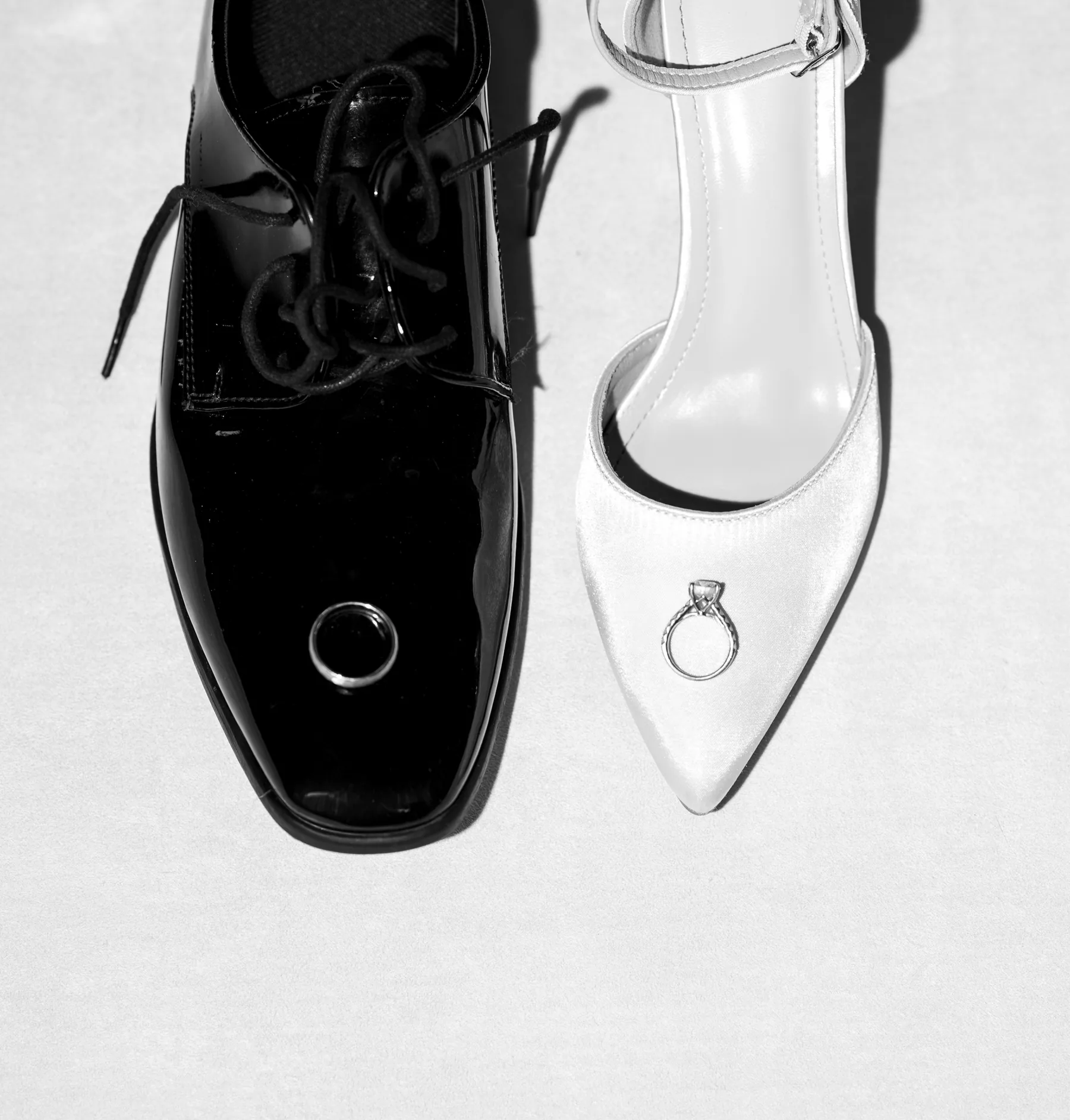
Rylee & Gage · Copperfield Terrace, Plainview, Minnesota
At some point, the getting-ready room is full of laughter, the ceremony begins to move faster than you expected, and the dance floor finally fills with the people who know you best. Wedding coverage hours shape which of those moments can be held onto. The right amount is not about documenting every minute. It is about giving your day enough room to unfold without feeling rushed, staged, or watched.
For most couples, choosing coverage begins with a simple question: How much of our wedding do we actually want to remember? The answer is personal. A courthouse ceremony and dinner for twenty needs a different rhythm than a weekend celebration with a first look, a wedding party, a church ceremony, and a reception that lasts late into the night.
What Wedding Coverage Hours Actually Include
Photography coverage is the block of time your photographer is present and actively documenting your celebration. It may begin with the quiet details of getting ready and end with a joyful exit, or it may focus on the heart of the day: the ceremony, portraits, and reception.
The number on a proposal is not simply a measure of how many photographs you will receive. It determines the pace of the experience. More time can mean a slower morning, room for family members to arrive late, unhurried portraits in beautiful light, and the ability to stay long enough for the reception to feel like itself.
That said, more hours are not automatically better. If your celebration is intimate and thoughtfully condensed, a shorter collection can protect its natural energy. The goal is coverage that reflects the day you are planning, rather than expanding the schedule just to fill a package.
How Many Wedding Coverage Hours Do You Need?
Most full wedding days benefit from eight to ten hours of photography coverage. This range often allows for getting-ready moments, details, a first look or separate pre-ceremony portraits, the ceremony, family photographs, wedding party portraits, cocktail hour, dinner, toasts, first dances, and some open dancing.
Six hours can work beautifully for a smaller wedding or a streamlined timeline. It is often enough for a ceremony, portraits, and the beginning of the reception, especially when the getting-ready locations and venue are close together. The trade-off is that the day needs to be intentional. There may not be time for both extensive preparation coverage and a late-night exit, for example.
Ten to twelve hours is often the right fit for a layered celebration. Think separate preparation locations, a substantial travel window, a longer cultural or religious ceremony, a large family portrait list, multiple reception spaces, or a day where you want the party documented well after the formal dances. Destination weddings can also call for additional coverage when the setting, welcome events, or slower pace are central to the story.
For an elopement, two to six hours may be plenty, depending on the experience you are creating. A short city hall ceremony needs something different than an all-day hike to a private vow location, followed by dinner with your closest people.
Start With the Moments That Matter Most
Before counting hours, name the parts of the day you would feel most disappointed not to see in your gallery. For some couples, it is the quiet exchange of letters before the ceremony. For others, it is a grandmother helping fasten a dress, the full room during toasts, or their friends singing every word during the last song of the night.
These priorities offer a more honest starting point than a standard timeline. They also help distinguish between moments that need coverage and moments you are happy to experience privately. Not every wedding needs photographs of every makeup appointment. But if getting ready together with your mother, siblings, or lifelong friends is one of the few calm hours you will share, it may deserve space.
Consider the Shape of Your Day
A wedding timeline is rarely made up of one continuous event. It has transitions: travel between hotel and venue, gathering family for portraits, greeting guests after the ceremony, resetting a reception space, and finding a quiet five minutes to breathe together.
Those transitions are where a compressed timeline can become stressful. In Des Moines and throughout Iowa and Minnesota, a wedding day might involve a hotel, a church, a downtown reception, and travel between each. Even a short drive deserves a realistic buffer for traffic, parking, gathering belongings, and simply moving people from one place to another.
Light matters, too. In summer, sunset portraits may happen late in the evening. In winter, daylight can disappear before an afternoon ceremony ends. An experienced photographer can help you build a portrait plan around the season, your venue, and the kind of imagery you are drawn to, so you are not forced to choose between being present with guests and having a few minutes together outside.
A Realistic Look at Common Coverage Ranges
Rather than treating coverage like a rigid formula, it helps to picture what each range can hold.
Six Hours: Focused and Celebratory
Six hours is well suited to an intimate wedding, a shorter ceremony and reception in one location, or couples who want the central events documented without a full-day record. A typical flow might begin with final getting-ready touches, include the ceremony and portraits, and continue through dinner, toasts, and early dancing.
The limitation is flexibility. If hair and makeup runs late, rain moves portraits indoors, or family photos take longer than expected, there is less room to adjust. Six hours works best when logistics are simple and expectations are clear.
Eight Hours: The Balanced Full-Day Choice
Eight hours is often the sweet spot for a traditional wedding day. It can make room for meaningful preparation photographs, a first look, wedding party and family portraits, the ceremony, cocktail hour, dinner, toasts, first dances, and a portion of the dance floor.
For couples who want a day that feels both editorially polished and emotionally honest, eight hours often allows for both. There is time for thoughtful direction during portraits, but not so much camera presence that the celebration begins to feel like a production.
Ten Hours or More: Space to Be Unhurried
Longer coverage is less about filling a gallery and more about preserving breathing room. It is especially valuable when your locations are spread out, your guest count is large, or you want the story to include the energy shift from a quiet morning to a full dance floor.
It can also be a meaningful choice for couples with a strong connection to their people. More coverage allows for the small interactions that happen around the main events: a father taking a breath before the ceremony, friends embracing during cocktail hour, a child asleep against a relative during dinner. These are often the photographs that grow more valuable with time.
Build Your Timeline Around Presence, Not Performance
The best photography timeline does not turn your wedding into a series of appointments. It creates enough structure that you can be fully there when the day arrives.
If portraits matter to you, protect a dedicated window for them rather than trying to fit everything into ten minutes after the ceremony. A first look can create more flexibility, but it is never required. Couples who prefer to wait until the aisle can still have beautiful, relaxed portraits by setting aside time during cocktail hour and taking a brief sunset pause later.
Family photographs benefit from preparation more than speed. Decide who needs to be included, share the list in advance, and ask one trusted person from each family to help gather people. With a clear plan, this portion of the day can be warm and efficient rather than an extended search for missing relatives.
Reception coverage deserves the same consideration. If you care deeply about toasts, first dances, and a few lively dance-floor photographs, coverage can end shortly after those moments. If your favorite people only truly loosen up after dinner, staying later may be worthwhile. Neither choice is more meaningful. It depends on where the life of your celebration lives.
Questions to Ask Before You Book
Ask your photographer how they would shape coverage around your ceremony time, season, venue locations, and priorities. Share the pieces you are still deciding, too. A good plan does not require every detail to be finalized months in advance.
It is also wise to ask what happens if the timeline runs late and whether additional hours can be added. Weddings are human events. A little flexibility can be reassuring, but the strongest approach is still to build a timeline with margin from the beginning.
Choose wedding coverage hours that let you look up, take in the room, and stay close to one another. Years from now, the photographs will not only show how your day looked. They will bring you back to how deeply it was lived.
Ready to Begin?
Start a Conversation