A Private Pause Before the Celebration
How to Plan First Look Photos on Your Wedding Day
September 12, 2026
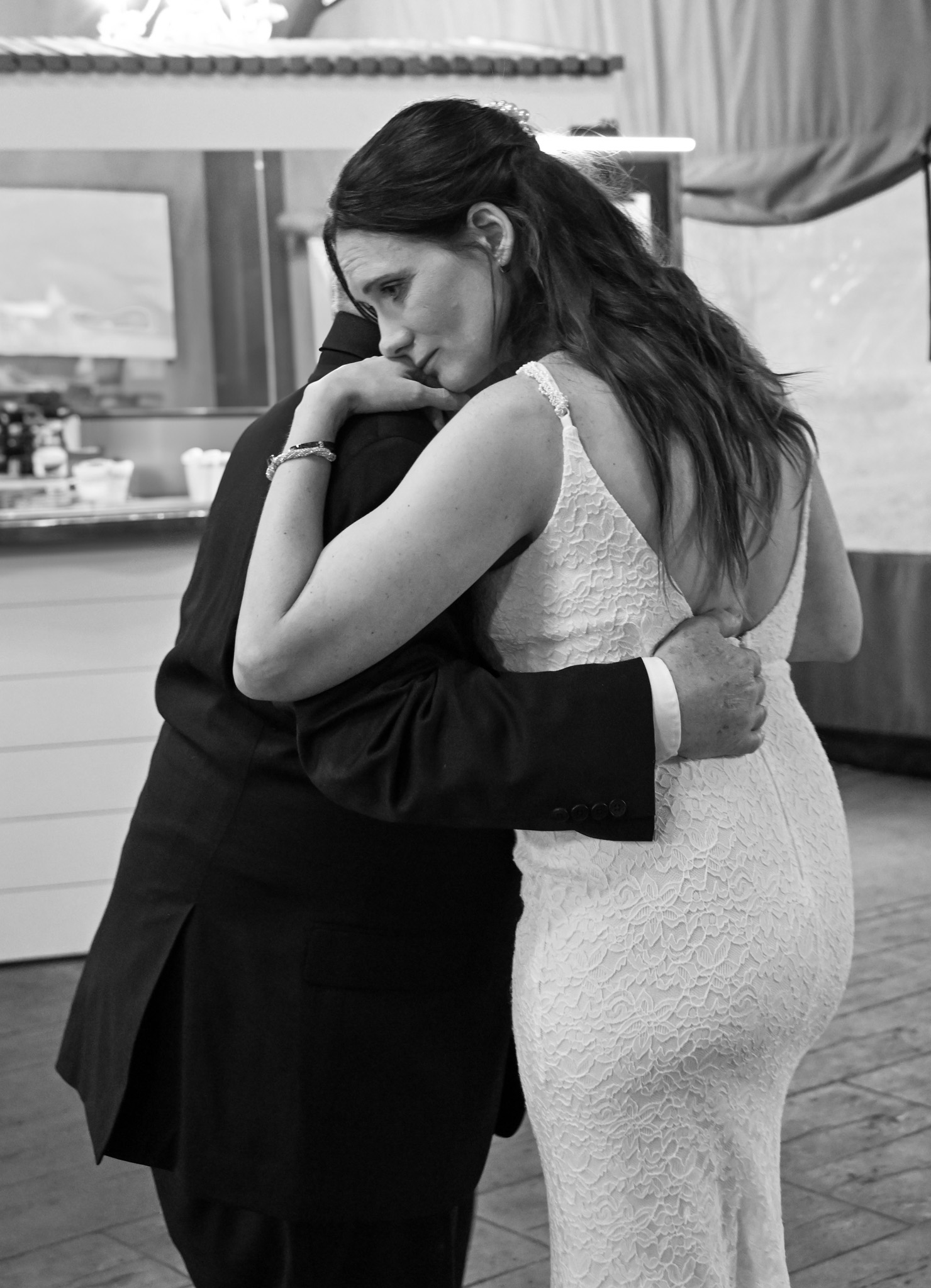
A first look is not a wedding-day requirement. It is simply a private pause - often one of the few you will have - before the celebration gathers speed. When couples are planning first look photos, the goal is not to manufacture a reaction or check off a trend. It is to create room for a real one.
For some, that means tears and a long exhale before walking down the aisle. For others, it means a quiet laugh, a hand squeeze, and the relief of seeing the person they chose at the center of it all. Thoughtful planning gives that moment the time, light, and privacy it deserves while also making the rest of the day feel less hurried.
Start With the Feeling You Want to Protect
Before choosing a time on the timeline, decide what matters most about seeing each other for the first time. Do you want the ceremony entrance to hold that reveal? Do you want a few minutes together before the expectations, guests, and movement of the day begin? Neither choice is more meaningful. The right choice is the one that sounds most like you.
A first look can be especially valuable for couples who want to spend most of cocktail hour with their guests, have a larger wedding party, or are marrying during a season when daylight disappears early. In Iowa and Minnesota, the usable window for outdoor portraits can shift quickly, particularly in late fall and winter. Seeing each other before the ceremony can protect time for photographs without turning portraits into a race against sunset.
Still, a first look is not the only answer. If the anticipation of meeting at the aisle feels deeply important, honor that. You can plan a first touch, exchange letters around a doorway, or simply build a generous portrait window after the ceremony. A beautiful gallery is never dependent on one prescribed sequence.
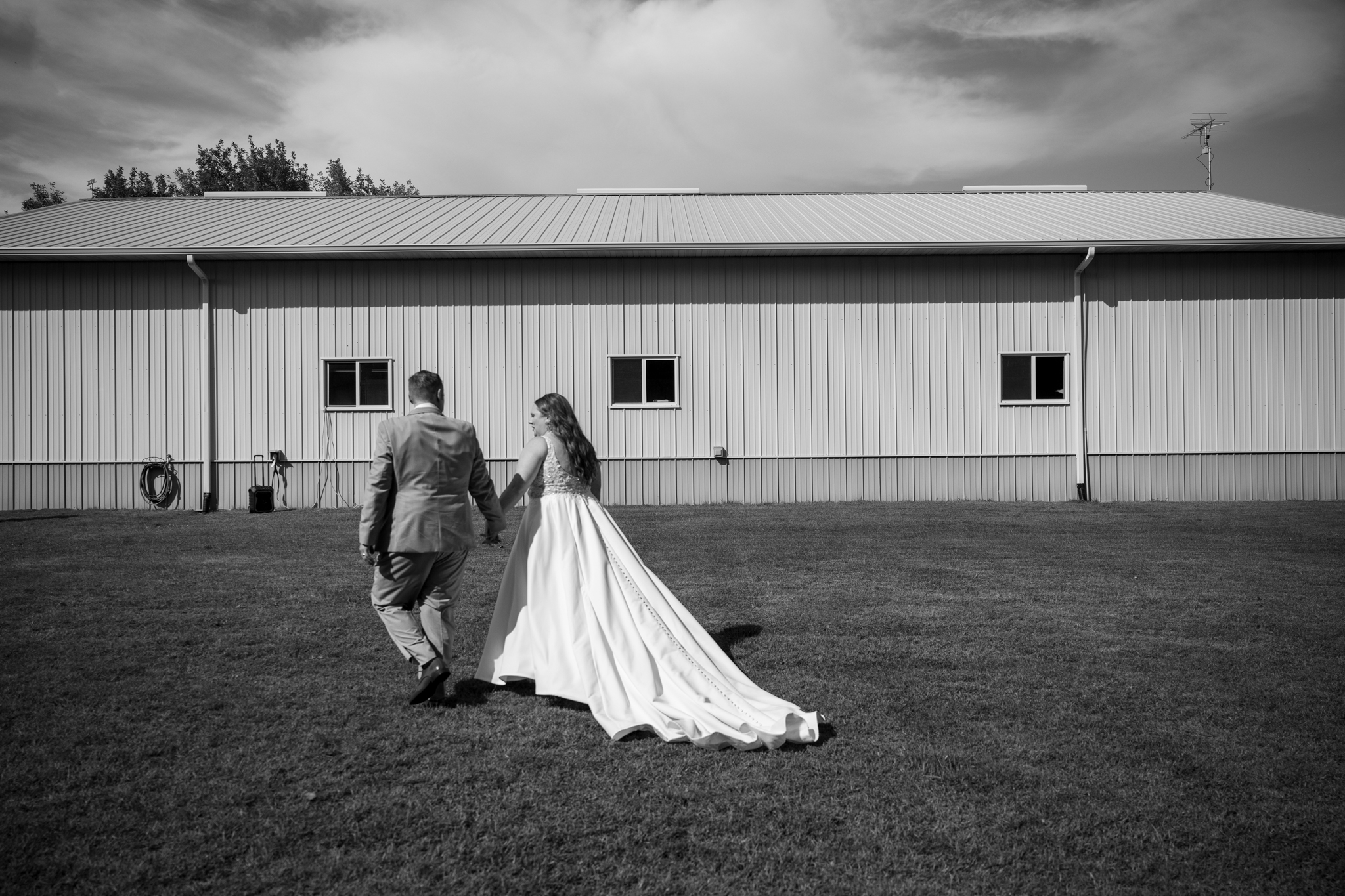
Build a Timeline With More Space Than You Think You Need
The most relaxed first look photos rarely come from a tightly packed schedule. They come from a timeline with breathing room.
A good starting point is to schedule the first look about two and a half to three hours before the ceremony, depending on travel, the size of your wedding party, and how many locations are involved. This does not mean you will be photographed continuously for three hours. It means there is enough margin for getting dressed, a few quiet moments, the first look itself, couple portraits, wedding-party images, family photographs, and the ordinary delays that happen on almost every wedding day.
If you are getting ready at a hotel and traveling to a separate venue, add more time than the map suggests. A ten-minute drive can become twenty when everyone is loading in and out, gathering bouquets, adjusting veils, or realizing the rings are still upstairs. A calm timeline accounts for the human parts of the day instead of pretending they will not happen.
Give the first look its own pocket of time
Plan for 15 to 20 minutes around the first look itself. The actual reveal may only take a few minutes, but the moment should not end with someone calling you immediately into a formal pose. Let yourselves talk. Let the reaction settle. Walk toward each other. Hold hands. Take in how the other person looks.
That unscripted time often becomes part of the photographs you return to most. Not because it was perfectly choreographed, but because you were fully there.
Keep portraits realistic
Afterward, set aside roughly 30 to 45 minutes for just the two of you, with additional time if your venue has multiple portrait locations or you have a particularly expansive photography wish list. Your photographer can offer gentle direction with the light and composition in mind, then step back enough for genuine interaction to surface.
The most editorial images do not require you to perform all afternoon. A clean setting, considered styling, and calm guidance can coexist with photographs that still feel like your relationship.
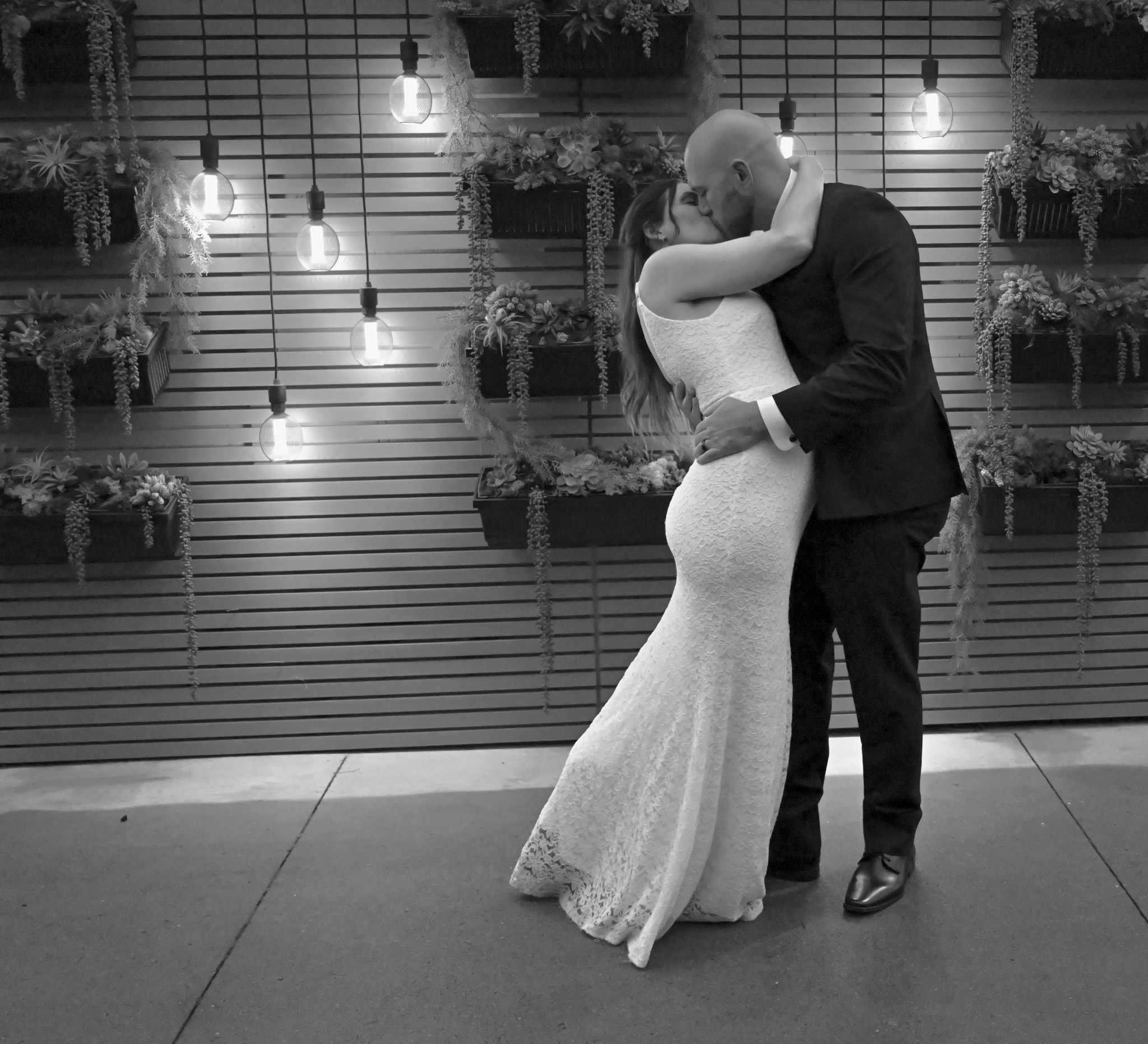
Choose a Location for Light and Privacy
The location of a first look affects more than the background. It shapes how the moment feels.
Look for a space that is visually quiet, protected from heavy foot traffic, and large enough for you to move naturally. A tucked-away garden path, a shaded side of your venue, an architectural corridor, or a softly lit room with windows can all work beautifully. The best setting is not always the grandest one. It is the one where you can see each other without an audience leaning in from ten feet away.
Light matters, too. Midday sun can be harsh, especially in open fields, parking areas, or on the west-facing side of a building. Your photographer may suggest open shade, filtered light, or an indoor location with directional window light. Trust that adjustment. The goal is flattering, dimensional photographs, but also physical comfort. Squinting into bright sun is not conducive to a tender, present moment.
If your venue is busy before the ceremony, ask whether a private room, quiet suite, or less-traveled outdoor area can be held for this part of the day. You do not need complete silence, but you deserve a setting where you can hear each other.
Decide Who Gets to Witness It
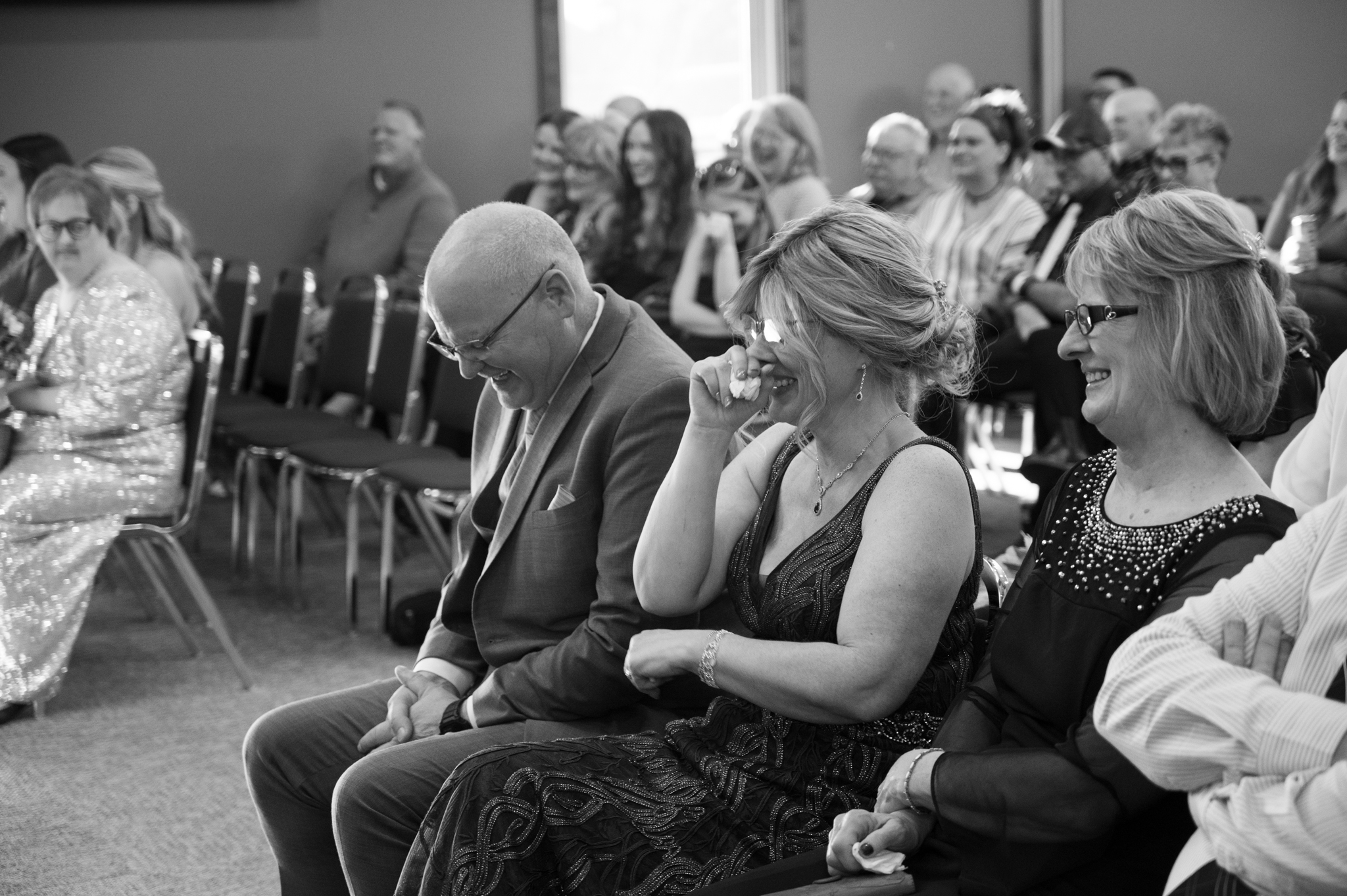
Some couples want the first look to be entirely private, with only their photography and film team nearby. Others love having a parent, sibling, or wedding party member watch from a respectful distance. Both can be lovely, though they produce different energy.
Privacy tends to invite a more inward, unguarded reaction. Having loved ones present can add joy and shared anticipation, but it can also make some people feel observed. Consider how you each respond when emotional. If one of you becomes self-conscious in front of a crowd, keep the first look small and save the big reveal for a parent or wedding party afterward.
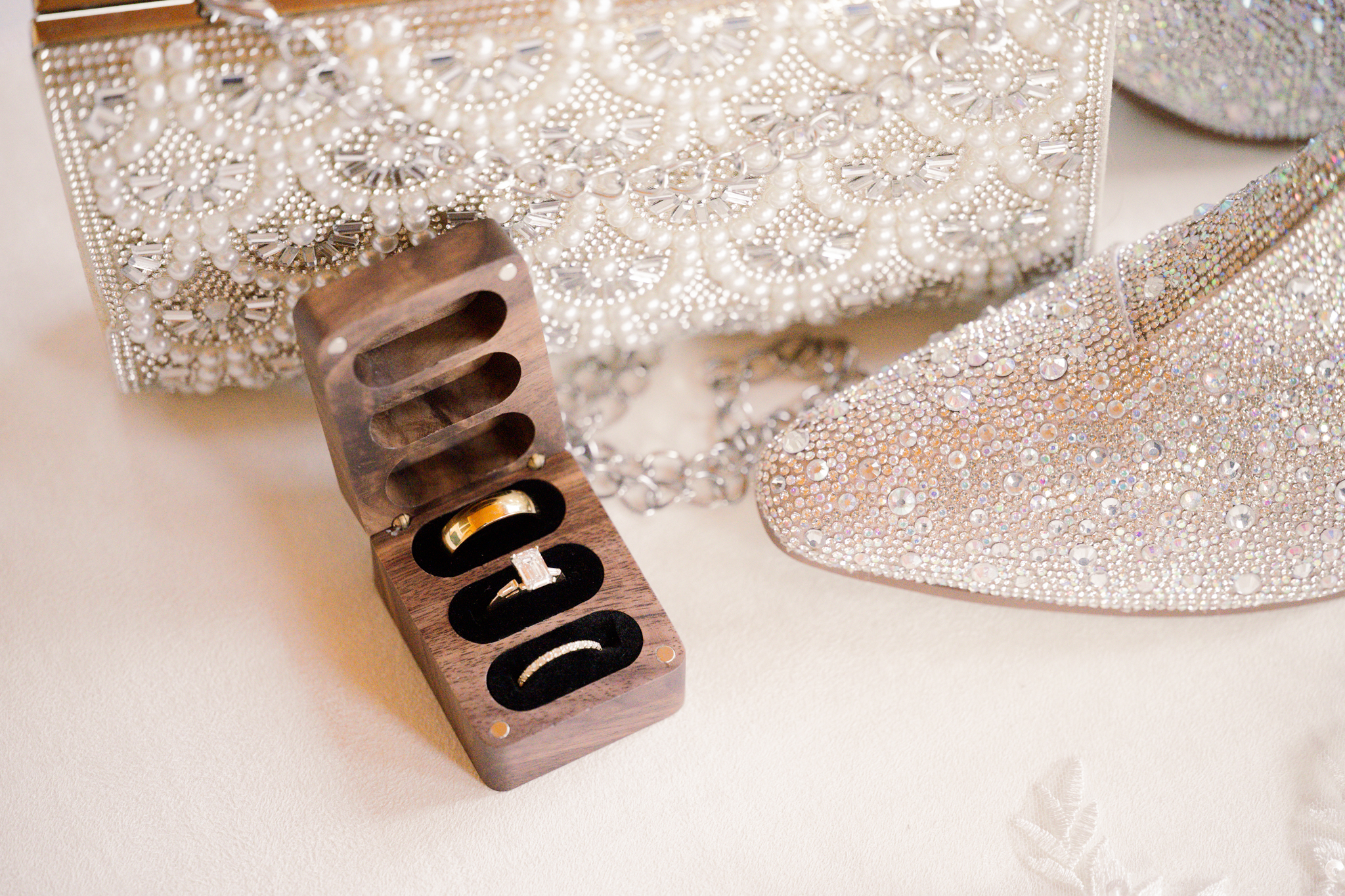
It also helps to let your photographer know in advance whether there is a surprise planned: a special jacket, a handwritten note, an heirloom accessory, or a private vow exchange. Those details can be documented thoughtfully when they are anticipated, without interrupting the experience to explain them in the moment.
Keep the Moment Unscripted, With a Little Preparation
You do not need a script for a meaningful first look. In fact, rehearsing what you will say can make the moment feel less like yours. But a few simple decisions beforehand prevent distraction.
Choose who will position each of you, which direction you will face, and whether you will tap a shoulder, call a name, or turn around on your own. Then let go of the rest. If you want to exchange private vows or letters, decide whether you would rather read them before you see each other or after the initial reaction. Reading them afterward often gives you a chance to make eye contact and respond naturally instead of dividing your attention.
Try not to worry about whether your reaction will photograph well. There is no correct expression. Some people cry immediately. Some smile so widely they cannot speak. Some take a second to absorb it all. The truth of your response is more lasting than any reaction you have seen online.
Plan for the People and Portraits That Follow
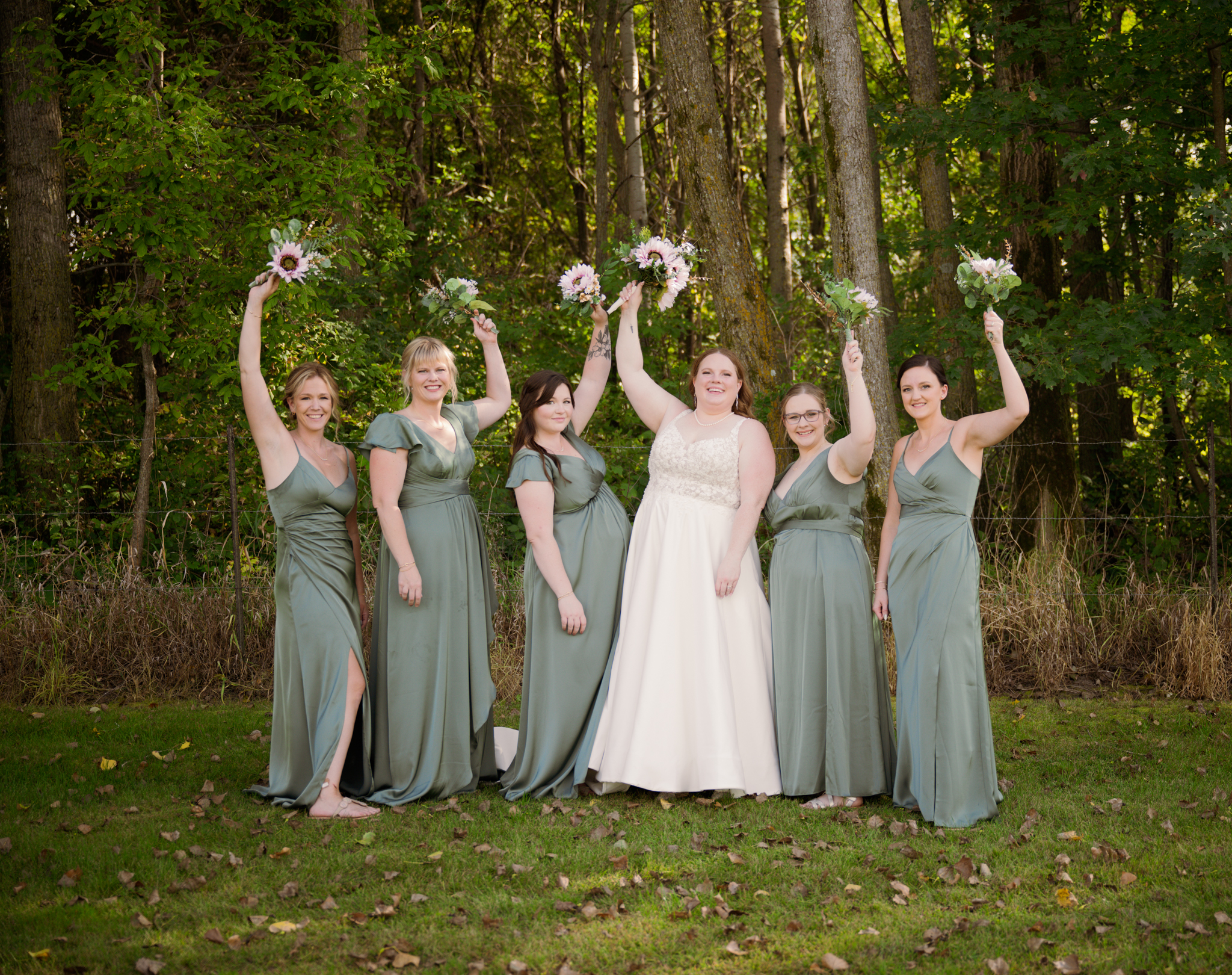
A first look can make family photographs and wedding-party portraits far more relaxed, but only if everyone knows where to be. Share a clear call time with the people needed for formal photos, and designate one organized person who knows family relationships well to help gather everyone. This keeps you from spending your first married-adjacent hour tracking down an uncle who wandered toward the bar.
Keep the family-photo list focused on the groupings that matter most. The longer the list becomes, the more your time together shrinks. Prioritize immediate family, grandparents when possible, and the combinations you know your parents will treasure. A few intentional groupings, photographed with care, are more valuable than a rushed catalogue of every possible configuration.
If you plan to finish portraits before the ceremony, leave a small buffer before guests begin arriving. You may want to touch up makeup, have water, readjust a boutonniere, or simply be alone for five minutes. That reset can change the way you enter your ceremony.
Let the Choice Serve Your Marriage, Not the Schedule
Planning first look photos is ultimately about making a wedding day feel more livable. The practical benefits are real: more portrait time, more flexibility with weather, and often more time at cocktail hour. But the best reason to have one is more personal. It creates a place in the day where you can stop being hosts, performers, or people following a timeline and simply be together.
If that sounds like a gift, make room for it. If the aisle is where you want that first moment to happen, protect that choice with an equally thoughtful plan afterward. The photographs will hold the light, the setting, and the details. What will make them feel like heirlooms is that you had enough space to feel the day as it happened.
Ready to Begin?
Start a Conversation