Give the Day Room to Breathe
How to Build a Wedding Photography Timeline That Feels Like You
September 4, 2026

Francesca Villa & Jacob Frederickson · Des Moines, Iowa
The moments couples remember most rarely happen on schedule. Your dad seeing you fully dressed for the first time. A quiet hand squeeze before the ceremony. The way your friends gather around you while the finishing touches of the morning unfold. A thoughtful wedding photography timeline protects space for these moments instead of rushing past them.
The goal is not to turn your celebration into a photo shoot. It is to create an unhurried structure that gives you beautiful photographs, calm direction when you need it, and enough breathing room to actually experience the day you planned. With the right pacing, the images can feel polished and artful while remaining unmistakably yours.
Build Your Wedding Photography Timeline Around What Matters
A strong timeline begins with more than a ceremony time. It begins with how you want the day to feel. Some couples want a relaxed morning in a sunlit suite with coffee, music, and their closest people nearby. Others care most about joining cocktail hour, sharing a private first look, or having a few quiet minutes alone after the ceremony. Those priorities should guide the schedule.
Photography works best when it has room to respond to real life. Hair and makeup may run a little long. A grandparent may need extra time to move between locations. A sudden summer shower in Iowa may change the portrait plan. Building small buffers throughout the day is not wasted time. It is what keeps one small delay from becoming the emotional tone of the afternoon.
Your venue, season, and ceremony location all matter. A December wedding in Des Moines has a very different daylight window than a June celebration in Minneapolis. Indoor spaces can be beautiful, but they may call for a little more intentionality around window light, ceremony placement, and portrait locations. An experienced photographer can help you identify what your setting offers before the wedding day arrives.
Start With the Light, Then Work Backward
For portraits with a soft, dimensional quality, the hour or two before sunset is often especially beautiful. That does not mean every portrait has to happen at sunset, or that a winter wedding cannot have luminous images. It simply means light should be part of the conversation early on.
Once you know your ceremony time and sunset time, you can decide where couple portraits fit most naturally. If your ceremony ends close to sunset, it may be worth setting aside ten quiet minutes during dinner or just after the first few reception events. If you are marrying earlier in the day, you may have more flexibility for family photographs and wedding party portraits before guests arrive.
A timeline built around light is not about chasing perfection. Cloud cover, weather, and venue constraints are real. It is about giving yourselves the best available conditions without asking you to disappear from your own celebration for an hour.
Decide Whether a First Look Fits You
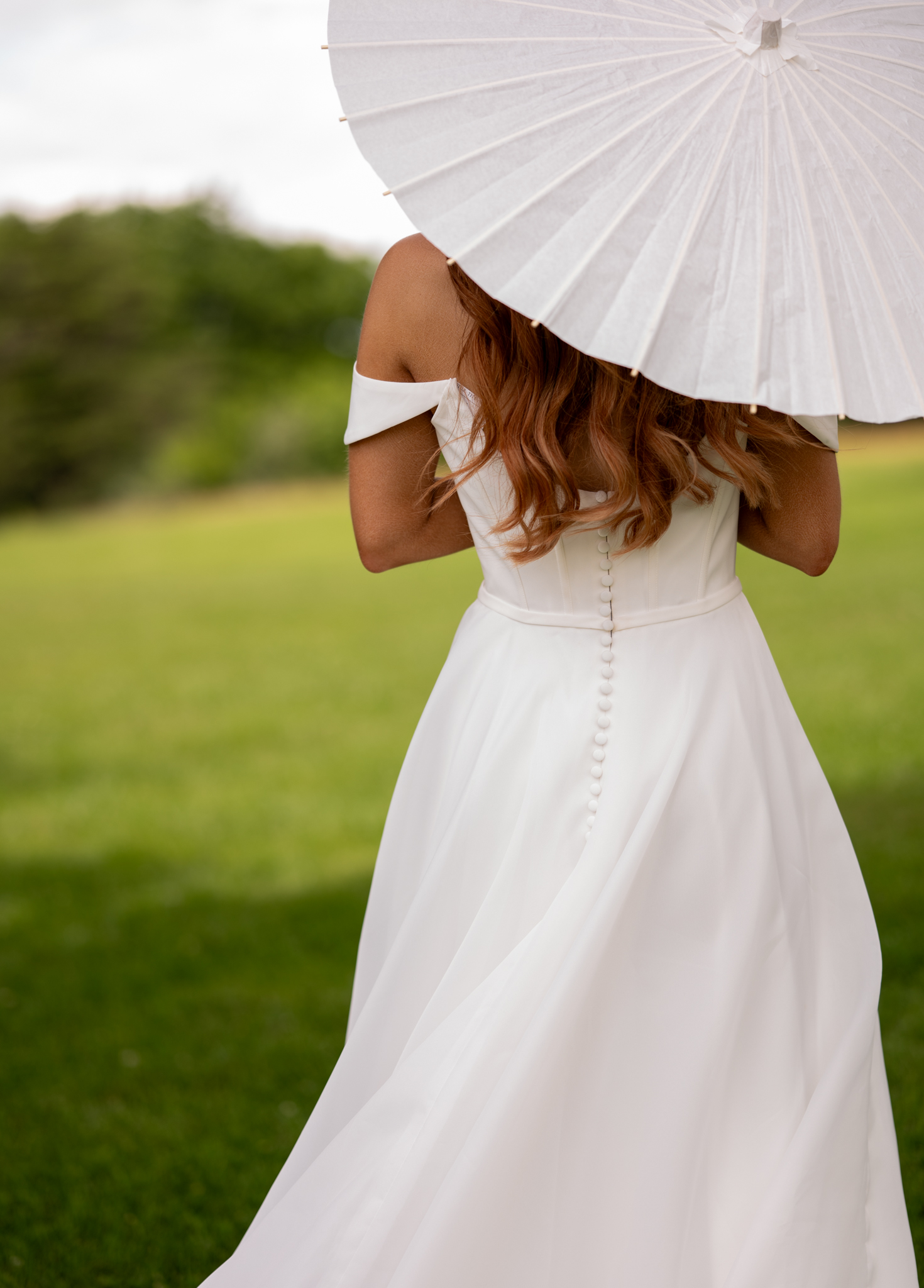
There is no universal right answer on a first look. A first look can create a private, emotional pause before the ceremony and allow most formal portraits to happen earlier. This often means you can move directly from the ceremony into cocktail hour with your guests. For many couples, that is a meaningful trade-off.
Waiting until the aisle can be equally meaningful. If that moment has always mattered to you, honor it. Just know that portraits, family groupings, and wedding party photographs will need to happen after the ceremony. In a short fall or winter daylight window, that can mean planning a later ceremony or embracing a mix of daylight and indoor imagery.
The question is not which option photographs better. Both can be beautiful. Ask which choice lets you be more present and emotionally at ease.
The Parts of a Wedding Day That Need More Time Than Expected
Getting ready photography is often treated as a quick collection of detail images, but it can hold some of the most intimate storytelling of the day. Plan for at least 60 to 90 minutes of coverage before you are fully dressed. This leaves time for photographs of your attire, stationery, rings, and meaningful heirlooms, but also for the candid moments that happen around them.
If you would like photographs of the final touches, plan to be dressed with your accessories still nearby. Putting on earrings, fastening a dress, adjusting a tie, or sharing a note can be lovely to photograph when there is no need to race out the door. Choose a getting-ready space with natural light when possible, and keep one area relatively clear of bags and extra clutter. It does not need to look untouched. It just needs to give the moment room to breathe.

Family photographs also benefit from a little preparation. Make a short, intentional list of the groupings that matter most — typically immediate family, grandparents, and any relationships with special significance. Let those people know in advance when and where to gather. Twenty minutes can be enough for a focused list, but it can quickly become forty if key people are at the bar, in the restroom, or greeting guests.
Wedding party portraits deserve a pace that feels like you. A smaller group may need only 20 minutes. A large party, multiple locations, or a more editorial approach can require 30 to 45 minutes. The best photographs tend to happen after everyone realizes they do not have to perform. A little time to settle in makes a visible difference.
A Sample Wedding Photography Timeline for an Evening Ceremony
Every celebration needs its own plan, but this sample gives a realistic sense of pacing for a ceremony at 5:00 p.m. with a first look. It assumes a photographer has around eight hours of coverage and that portraits take place at or near the venue.
1:00 p.m. — Photography begins with details, the atmosphere of the morning, and candid getting-ready moments.
2:15 p.m. — One partner gets dressed, followed by any first looks with parents, siblings, or wedding party members.
2:45 p.m. — The other partner gets dressed and has a few quiet minutes before the first look.
3:00 p.m. — First look and couple portraits. Beginning here gives you time to be present rather than hurried.
3:35 p.m. — Wedding party portraits.
4:05 p.m. — Immediate family photographs. Keep the groupings ready and nearby.
4:35 p.m. — A short reset before guests arrive. You might use this time to freshen up, share a snack, or simply take a breath together.
5:00 p.m. — Ceremony.
5:30 p.m. — Just-married photographs, then cocktail hour with guests. If the light is particularly lovely, a brief ten-minute portrait break can happen near sunset.
6:30 p.m. — Reception entrance, dinner, toasts, and evening events. Keep in mind that speeches often run longer than planned, so avoid stacking too many formal moments too tightly.
8:15 p.m. — Sunset portraits or a few minutes outside together, if desired.
8:45 p.m. — Dancing and candid reception coverage.
This structure is a starting point, not a rule. A church ceremony, a multi-location day, cultural traditions, a winter sunset, or a large family list may change the timing substantially. The point is to see where the generous margins belong.
Protect the Quiet Moments
Some of the most lasting images are made in the in-between. A wedding photography timeline should leave room for you to read a letter from your partner, hold hands in the back of the car, or step away from the reception for a few minutes after dinner. These pauses are not interruptions to the party. They are part of the lived experience you will want to remember.
Consider planning for a private last dance or a brief exit from your reception space before the night ends. Even two minutes alone can shift the pace of a full day. It gives you a chance to look around, take it in, and let the significance of the day land before you return to your people.
Trust the Plan Enough to Be Present
A good timeline is detailed behind the scenes and flexible where it counts. It names the important transitions, accounts for light and logistics, and gives your vendors a shared rhythm. Then, once the day arrives, it lets you release the clock.
The photographs you reach for decades from now will not just show what happened. They will bring you back to how it felt to be surrounded by the people who have shaped your life, with enough time to notice that they were there.
Ready to Begin?
Start a Conversation