The Questions That Tell You Who to Trust
What to Ask at a Wedding Photography Consultation
September 10, 2026
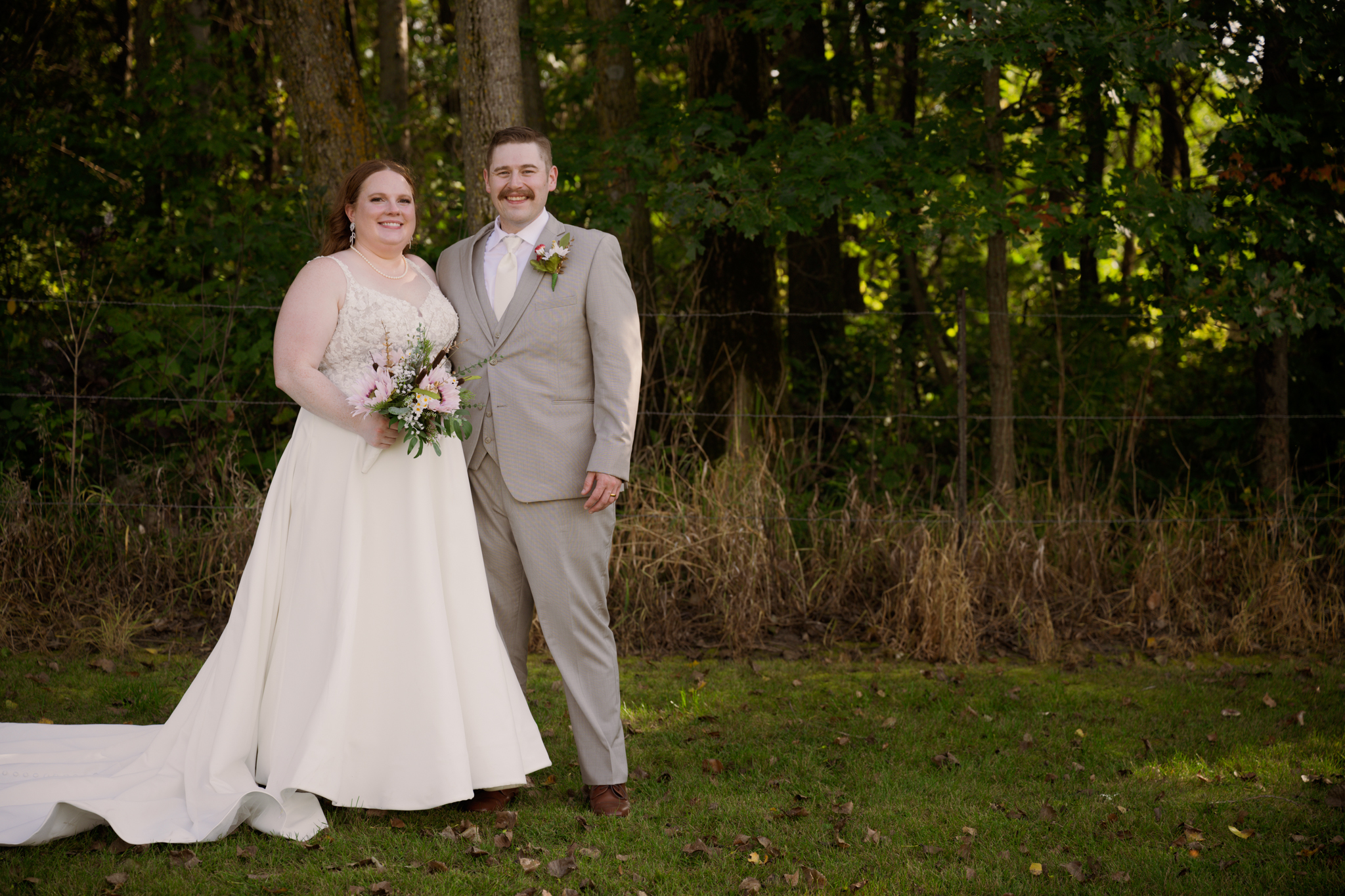
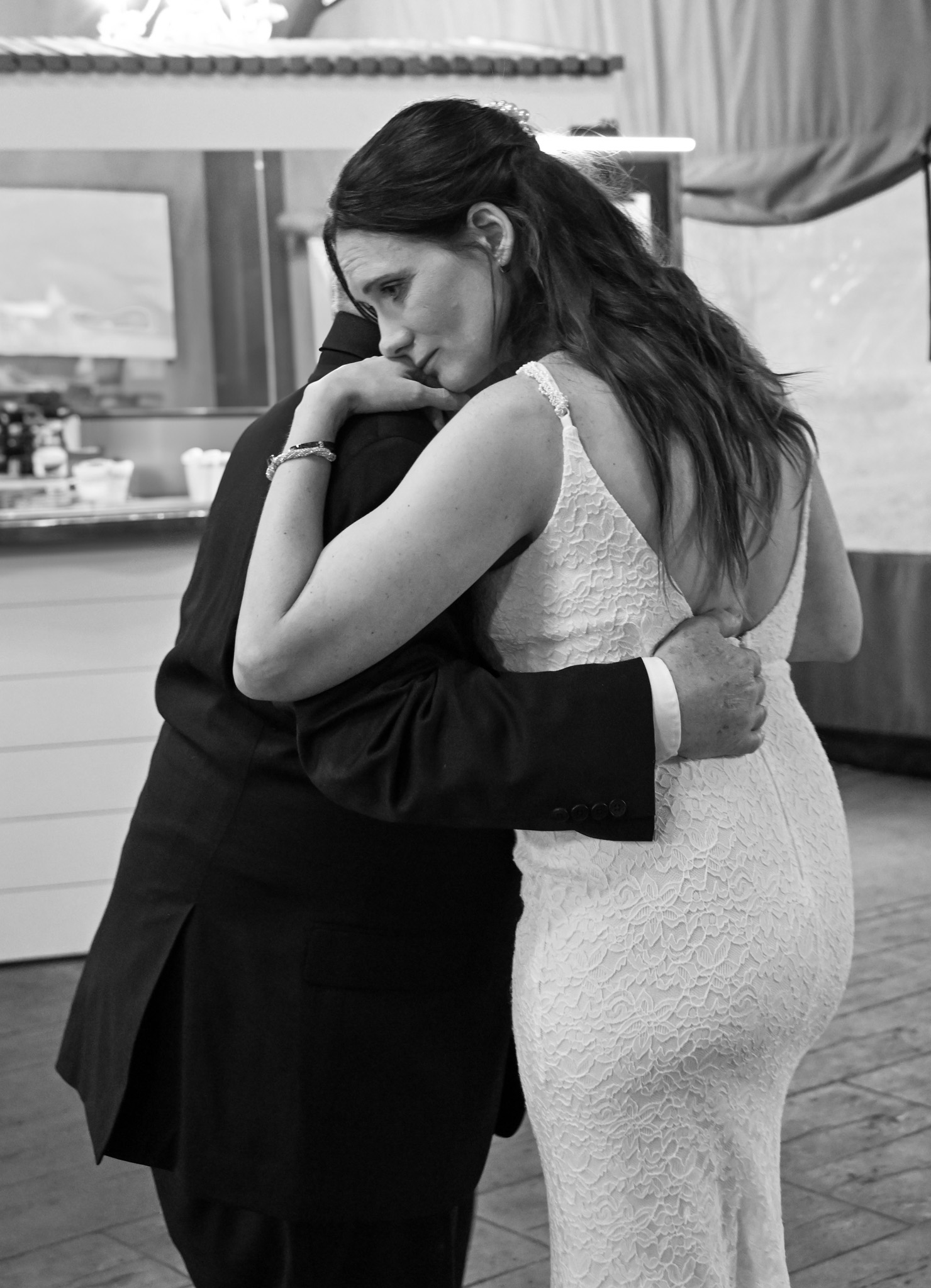
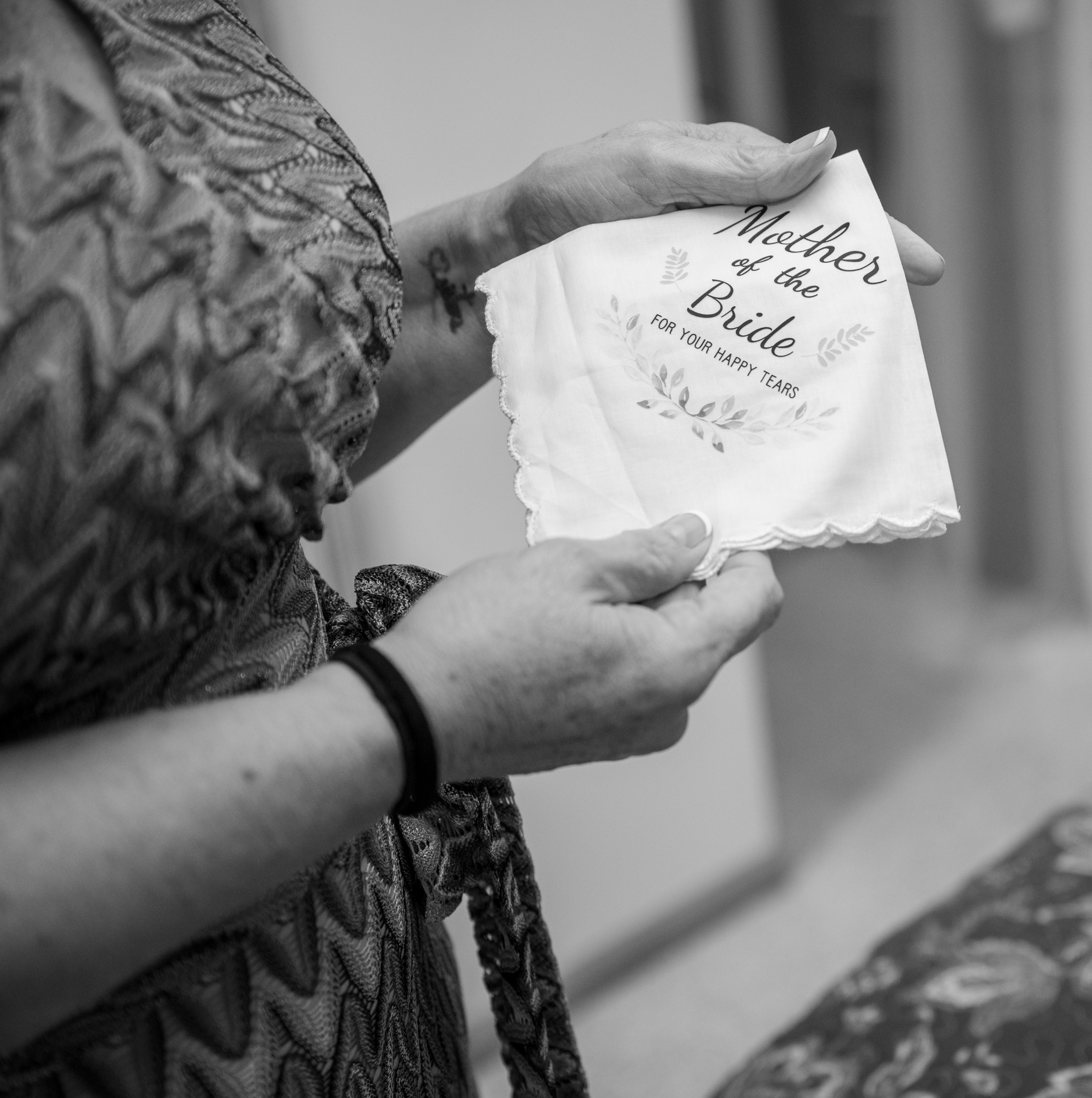
The best questions for wedding photography consultation are not only about packages, hours, or delivery dates. They reveal something more personal: whether this is the person you can trust to notice your mother reaching for your hand before the ceremony, your friends losing themselves on the dance floor, and the quiet breath you take together just after you are married.
A consultation should feel less like a sales call and more like the beginning of a relationship. You are inviting someone into one of the most emotionally full days of your life. Their photographs may become the ones you reach for on anniversaries, when your home changes, when the people in them grow older. Ask questions that help you understand not just what they deliver, but how they see.
Questions for a Wedding Photography Consultation That Matter
How would you describe your approach on a wedding day?
This is the question beneath nearly every other question. Some photographers work primarily through observation, while others build a day around frequent posing and direction. Neither is inherently wrong, but the right fit depends on how you want your wedding to feel.
If you are drawn to imagery that is polished but still emotionally true, listen for an approach that makes room for both. You may want gentle, confident direction during portraits, then the freedom to be present with your people for the rest of the day. Ask how they balance editorial composition with documentary moments. A clear answer should tell you when they will step in, when they will step back, and how they respond when real life does not follow the schedule.
Can we see full wedding galleries, not only highlights?
A portfolio shows a photographer's point of view. A full gallery shows their consistency.
Ask to see weddings with a similar season, venue type, or lighting situation to yours. If you are planning a late-November celebration in Iowa, a gallery photographed in full summer sun will not answer every question. Look at getting-ready rooms, ceremony light, family portraits, reception details, dark dance floors, and the moments between formal events.
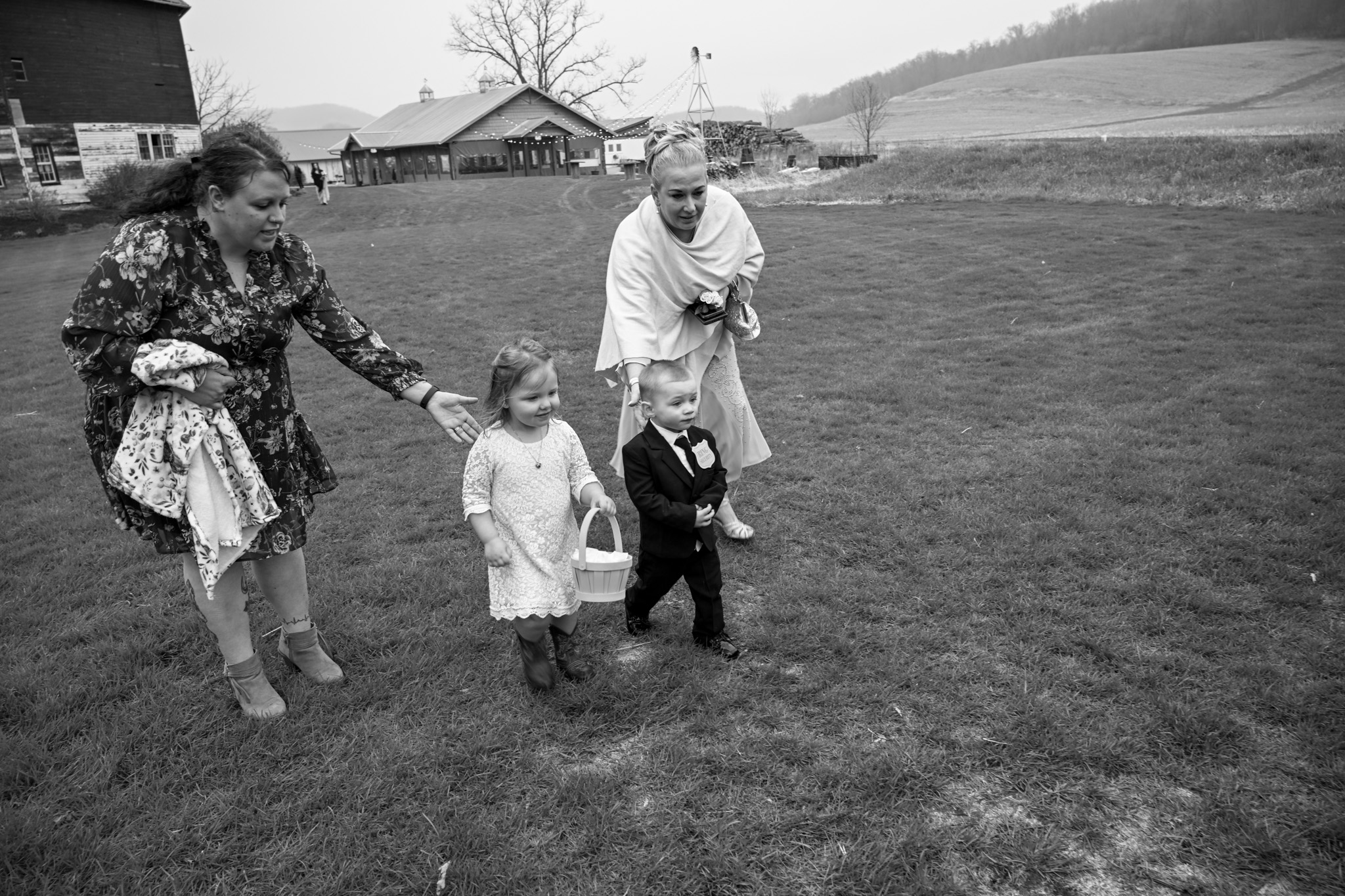
Notice whether the images feel cohesive without becoming repetitive. You want to see beautiful portraits, certainly, but also the smaller evidence of a day well held: a nervous laugh, an unplanned embrace, the way your grandparents watch the ceremony. These are often the photographs that gain meaning with time.
What does direction feel like during portraits?
Many couples worry that they are not natural in front of the camera. Usually, that means they do not want to be left wondering what to do with their hands for an hour. It does not mean they want every smile choreographed.
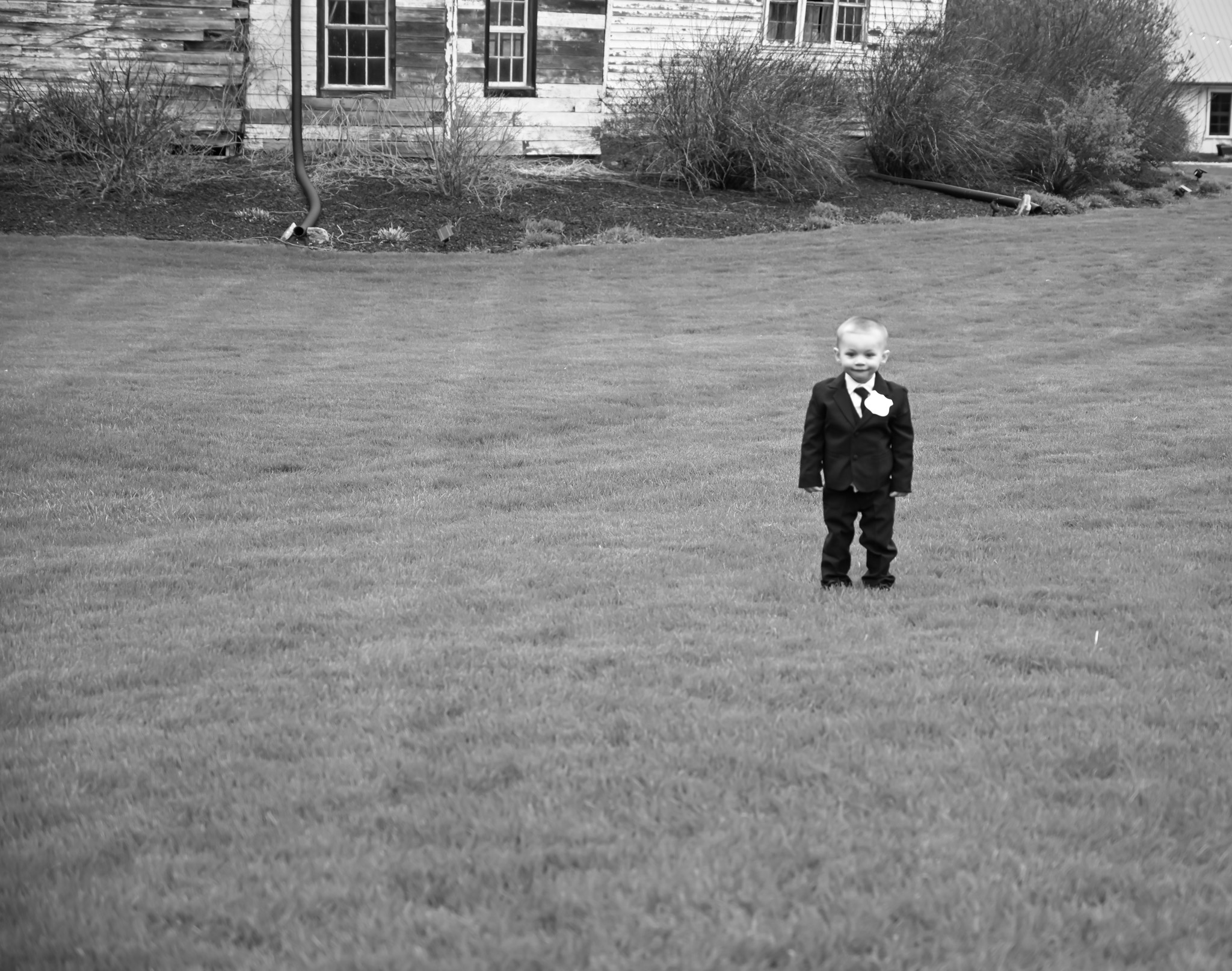
Ask how the photographer helps people relax. Do they offer simple prompts? Do they guide posture and placement while allowing genuine interactions to unfold? Do they move efficiently when the wedding party is ready to celebrate rather than stand in a field? The goal is not to look like someone else in your photographs. It is to look like yourselves, at your most at ease.
An engagement session can be especially useful here. It gives you a chance to experience a photographer's direction before the wedding and helps them learn how you naturally connect with one another.
How do you build a timeline around photographs without taking over the day?
Photography affects the rhythm of a wedding, from the timing of getting ready through sunset portraits and the reception entrance. Ask how a photographer collaborates with your planner, venue, and other vendors to shape a realistic timeline.
A thoughtful photographer should be able to explain how much time is helpful for key parts of the day, including family formals, wedding party photographs, couple portraits, and travel between locations. They should also account for breathing room. A timeline that looks efficient on paper can feel rushed if it leaves no space for a delayed boutonniere, an emotional conversation, or five minutes alone after the ceremony.
Ask whether they recommend a first look, but do not treat it as a rule. A first look can create more portrait time and a calmer pre-ceremony schedule. Waiting until the ceremony can preserve a tradition that matters deeply to you. The right choice depends on your priorities, the season, your ceremony time, and how you want the day to unfold.
What happens if the weather or light changes?
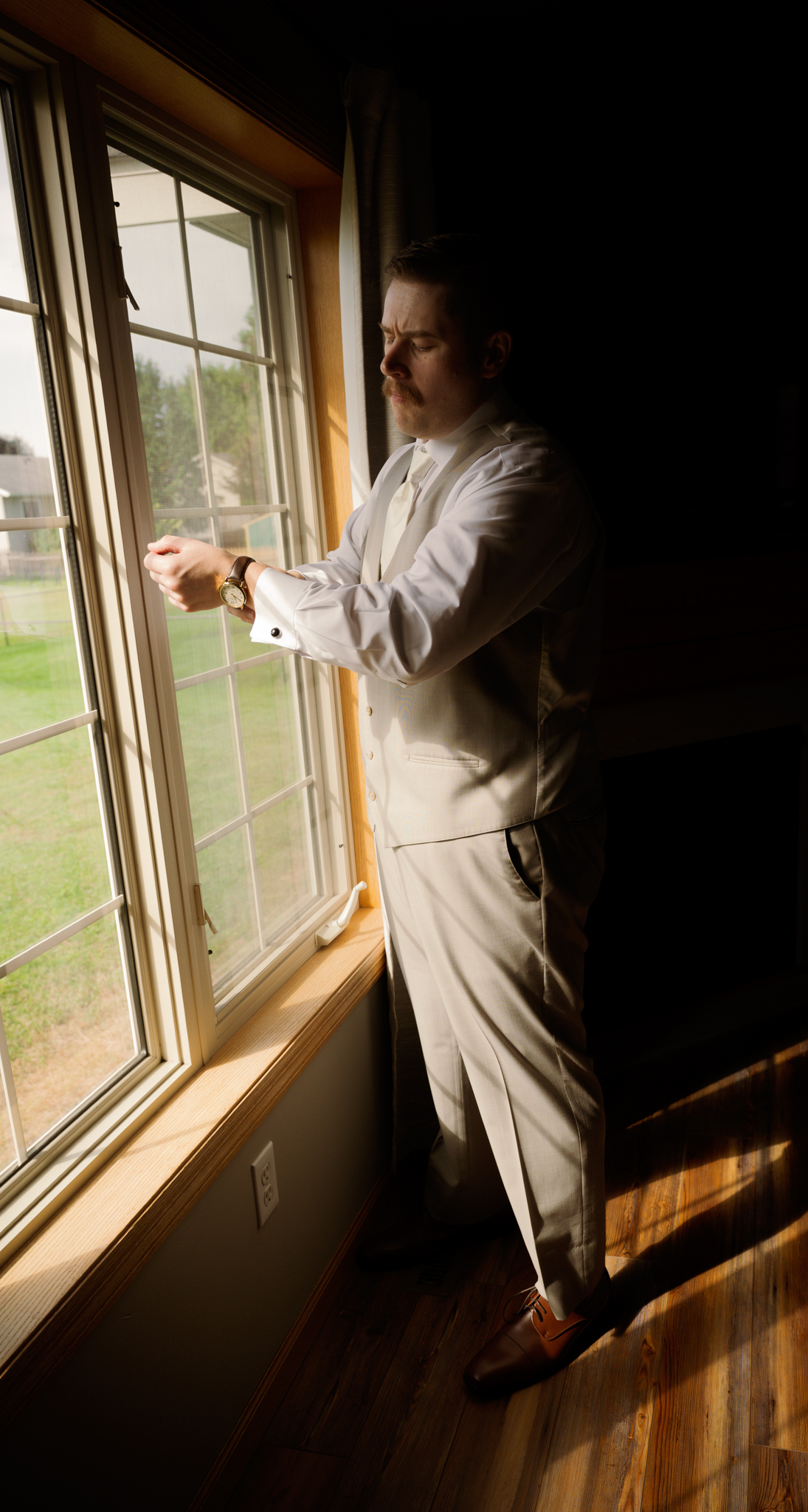
This question matters in every season, especially in the Midwest, where a clear forecast can turn quickly. You do not need a photographer who promises to control the weather. You need one who can work beautifully within it.
Ask about rain plans, indoor portrait options, flash photography, and low-light reception coverage. A seasoned professional will have practical answers without making the possibility of rain feel like a disaster. Sometimes a covered porch, a moody hotel hallway, or five minutes beneath an umbrella becomes part of the visual memory of the day.
It is also helpful to ask how they handle harsh midday sun or a ceremony after dark. Their answer should show an understanding of light, but also respect for the experience you are trying to have. Not every meaningful moment can be moved to the ideal location at the ideal hour.
Who will be with us on the wedding day?
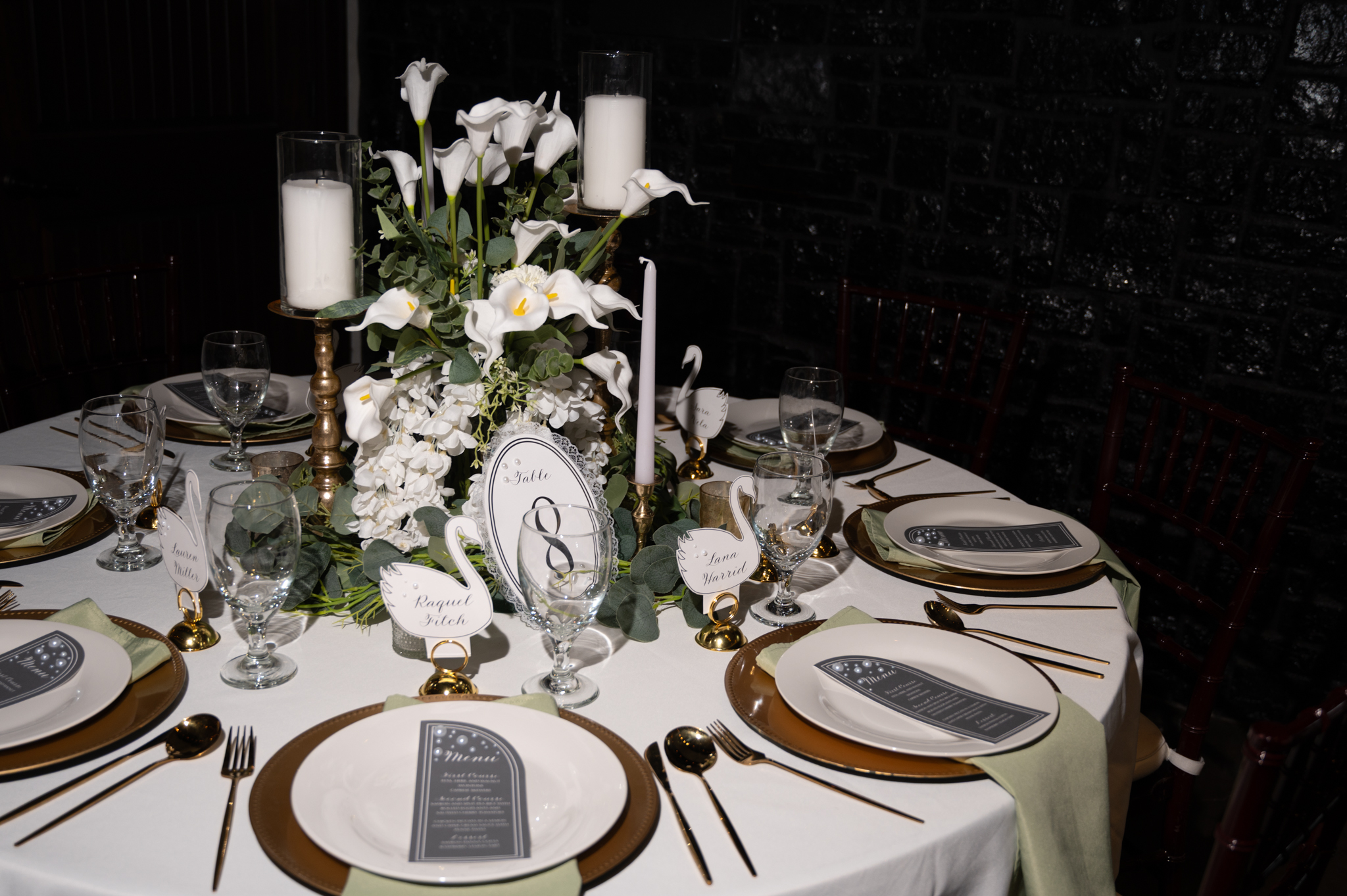
Clarify exactly who will photograph your wedding. Will the person leading the consultation be there? Will there be a second photographer, an assistant, or a filmmaker? How do those people work together?
A second photographer can be especially valuable for larger guest counts, multiple preparation locations, or days with many moving parts. While one photographer stays with you, another may document your partner getting ready or capture the wider scene during the ceremony. For smaller, more intimate celebrations, a single photographer may be the quieter and more fitting choice. It depends on the pace and shape of your day, not simply the number of people attending.
How do you photograph family portraits with care and efficiency?
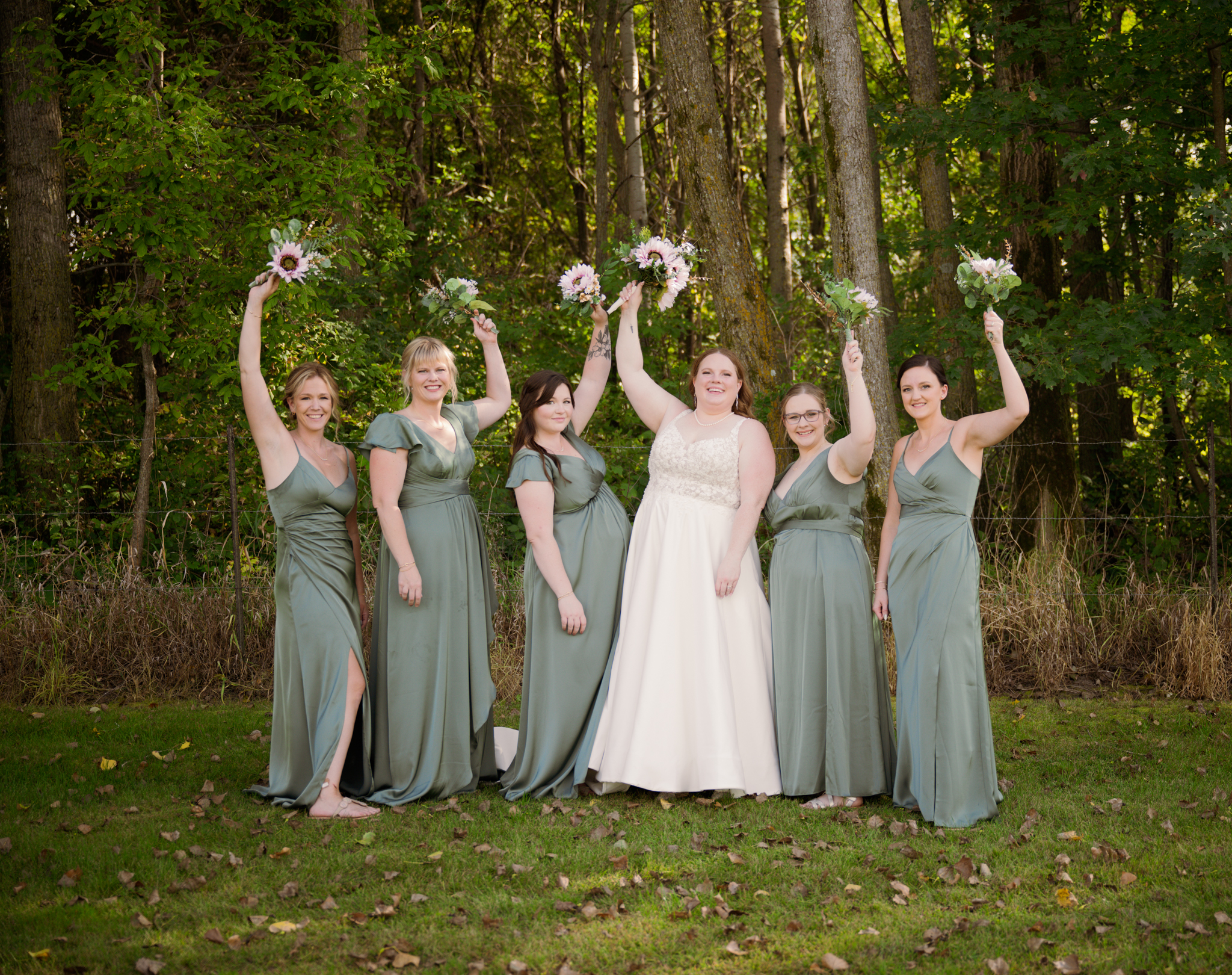
Family formals are rarely the part of the day couples anticipate most, yet they often become some of the most enduring photographs. Ask how the photographer organizes them and how much time they recommend.
A prepared photographer will help you create a concise list of essential groupings ahead of time and encourage you to appoint a family member who knows the key people. That small bit of planning prevents the familiar scramble of searching for an uncle during cocktail hour. It also allows the photographs to feel calm, connected, and well composed rather than hurried.
If there are sensitive family dynamics, share them privately. A photographer who knows what matters can lead with discretion and kindness.
What is included, and what will our final photographs look like?
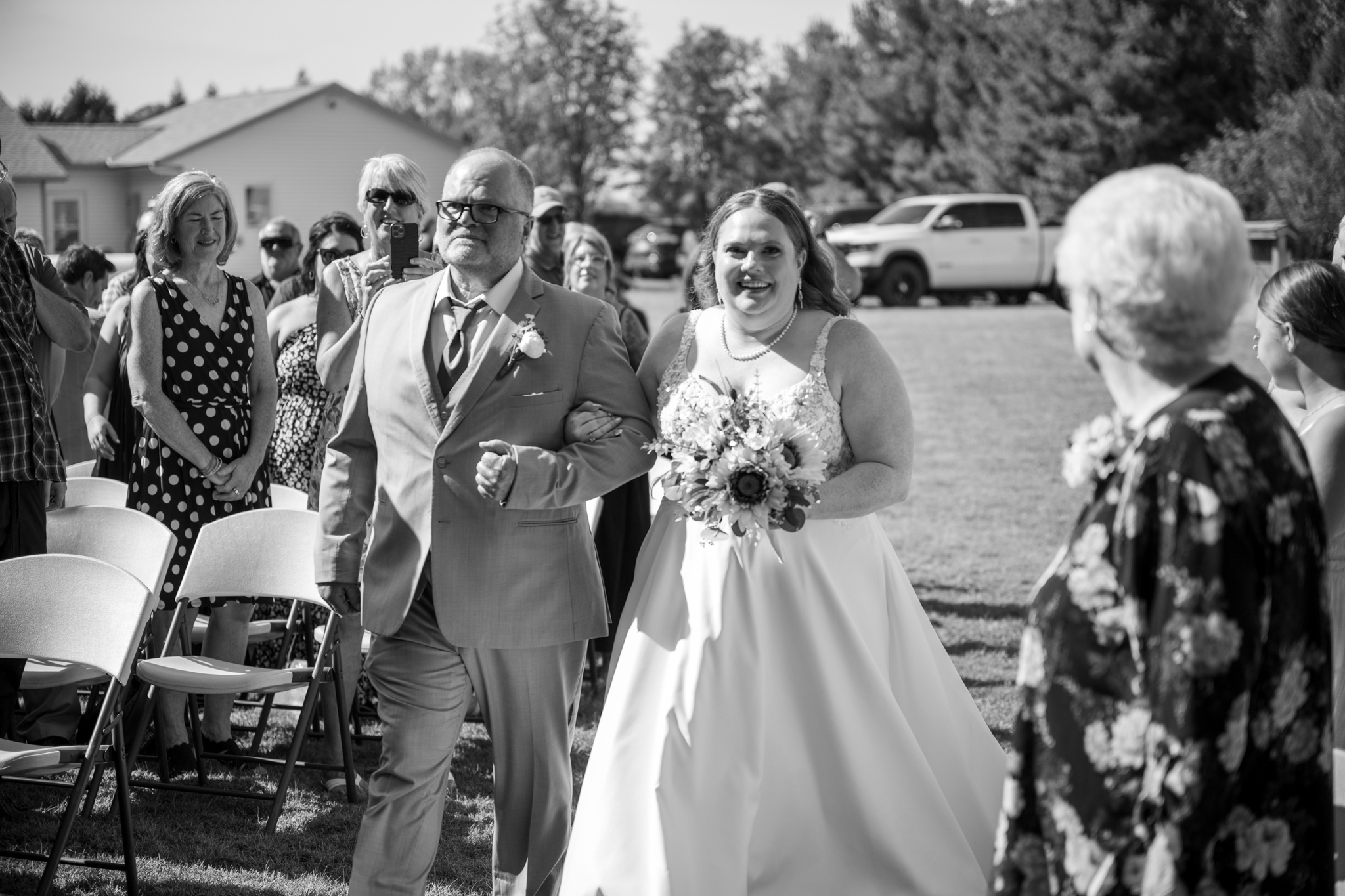
This is where clarity protects the experience. Ask about coverage hours, the estimated number of edited images, the delivery timeline, online gallery access, print rights, albums, and any travel considerations. Request specifics about what is included in the collection you are considering and what would involve an additional cost.
Then ask about editing. Do the photographs have timeless color and natural skin tones? Is the work heavily stylized, or will it still feel recognizable years from now? Trends can be fun, but your wedding photographs should not feel trapped in a particular moment on the internet.
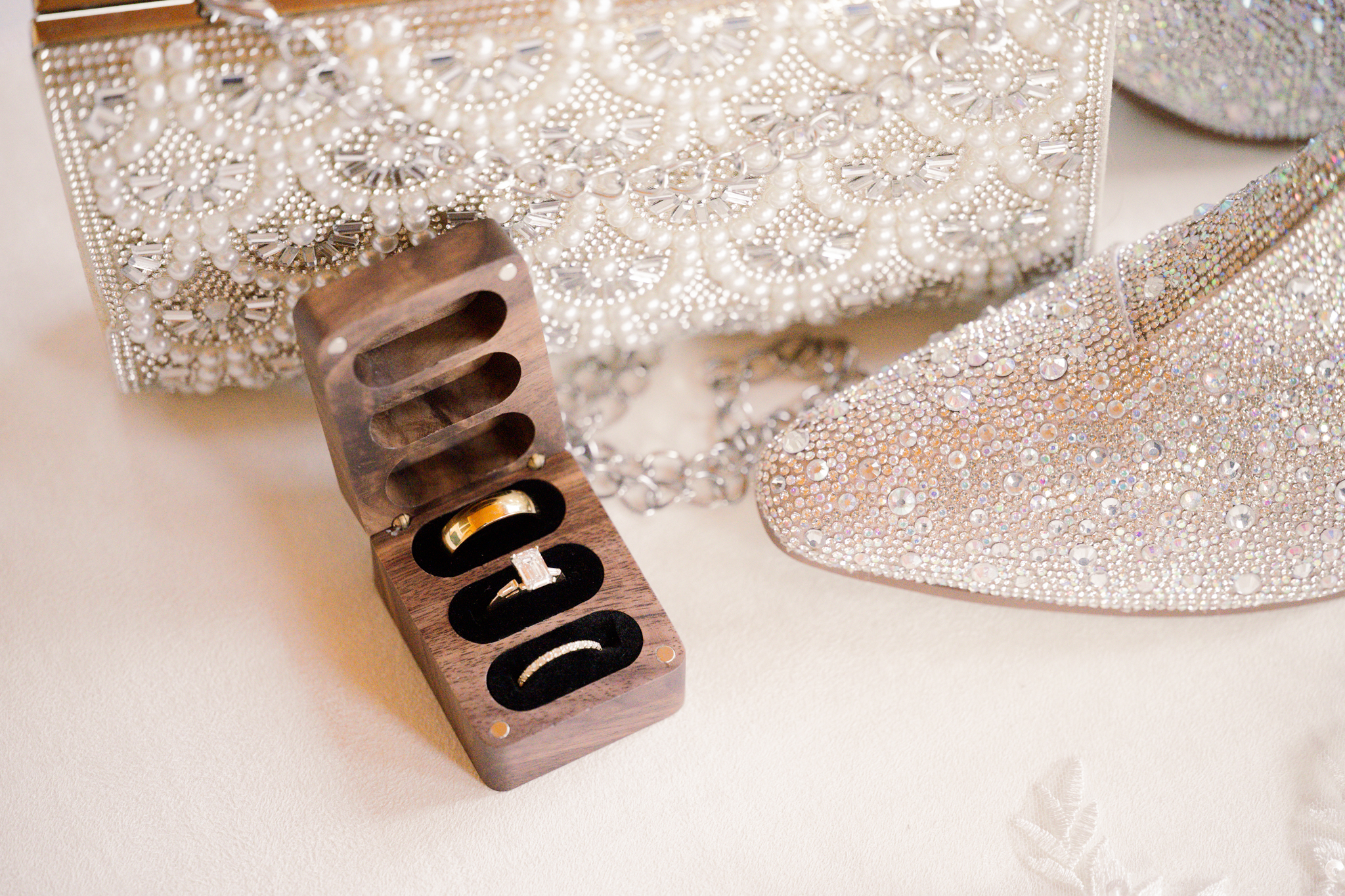
For couples who value tangible keepsakes, ask to see albums and print samples. A gallery is convenient, but an album has a different kind of permanence. It can sit on a coffee table, pass through hands, and become part of the story your family tells about you.
Listen for the Feeling Behind the Answer
During a consultation, pay attention to how you feel as much as what is said. Do you feel heard when you describe what matters to you? Does the photographer ask about your relationship, your people, and the atmosphere you hope to create? Are they direct about logistics without making your wedding feel like a production?
The right photographer will have a clear process and a steady presence. They will care about beautiful light and thoughtful composition, but they will also understand that a wedding is not a photo shoot with an audience. It is a lived day, full of imperfect timing, private emotion, and people you love in one room.
Bring your questions, but leave a little room for instinct. The person you choose should make you feel more certain that you will be able to put your phone down, take a fuller breath, and remember the day from the inside while it is still happening.
Ready to Begin?
Start a Conversation