The Whole Weekend, Not Just the Hours
A Wedding Weekend Photography Guide
September 26, 2026
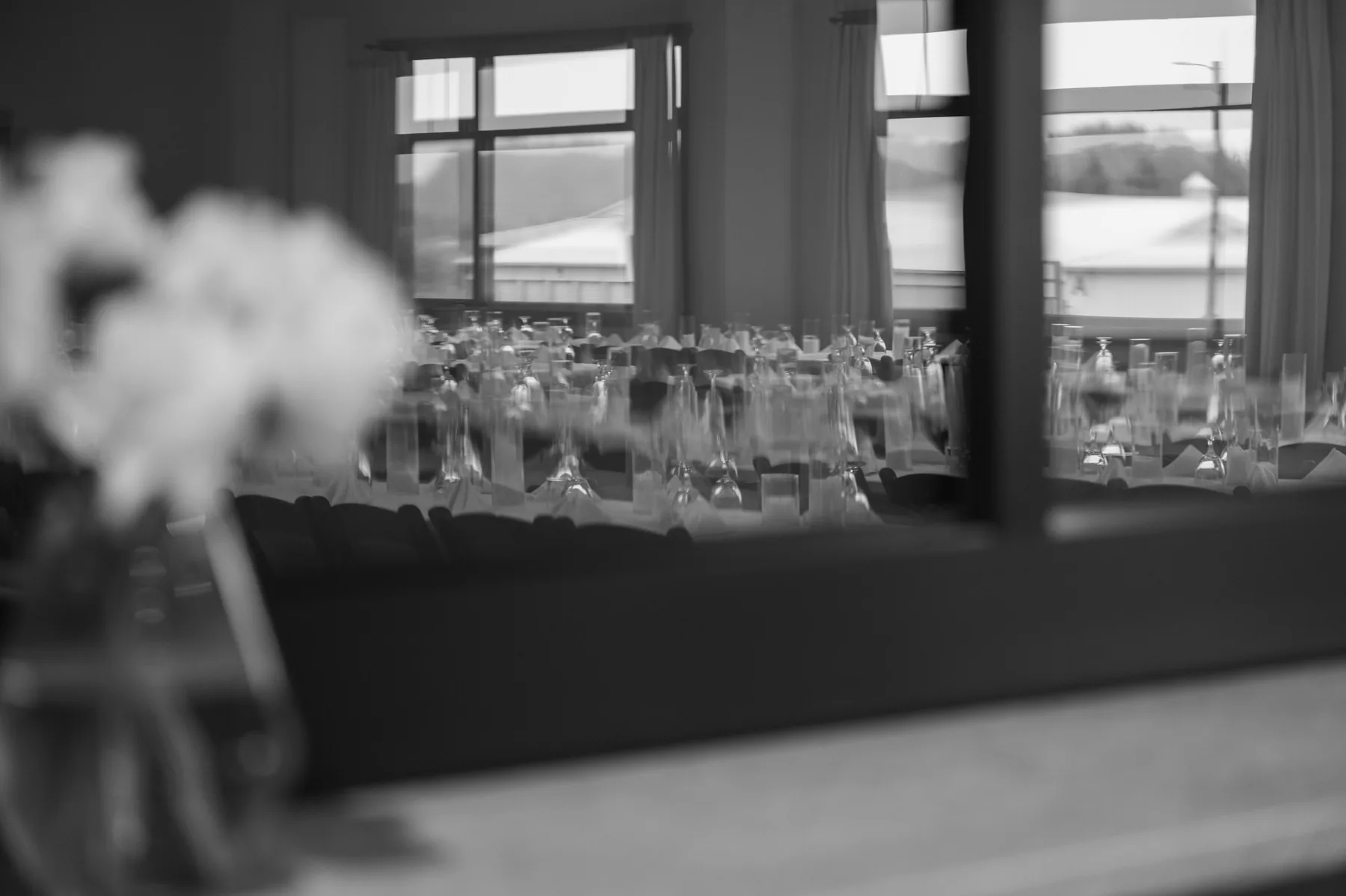
Rylee + Gage · Copperfield Terrace, Plainview, Minnesota
The moment your favorite people begin arriving is often when the wedding truly starts to feel real. A wedding weekend photography guide is not about turning every gathering into a production. It is about making room for the small, irreplaceable moments around the ceremony: your grandmother greeting old friends, the anticipation before rehearsal dinner, the late-night laughter you will barely remember until you see it again.
For couples planning a multi-day celebration, the goal is simple: create photographs that hold the whole experience, not just its most formal hours. With a little intention, your coverage can feel elevated, personal, and wonderfully unhurried.
Why Wedding Weekend Coverage Feels Different
A wedding day moves quickly, even with a thoughtful timeline. A weekend gives your story more room to breathe. Guests settle in. Families reconnect. You and your partner have time to be yourselves in more than one setting.
This matters especially when people are traveling to celebrate with you, whether that means a full destination weekend or a gathering in Des Moines with loved ones arriving from across the country. The welcome party, rehearsal dinner, and farewell brunch are not simply extras. They often hold the most relaxed version of your relationships.
The trade-off is that more coverage requires discernment. Not every minute needs to be documented, and not every event needs the same level of production. The right plan protects your privacy and your energy while preserving the moments that will mean more as the years pass.
Start With the Feeling You Want to Remember
Before discussing hours or events, consider what you want the weekend to feel like in your photographs. Perhaps you are drawn to a candlelit rehearsal dinner with long tables and toasts from siblings. Maybe your welcome party is casual, held outdoors with cocktails, music, and friends meeting for the first time. Or perhaps the gathering after the wedding is quiet: coffee, pastries, hugs, and one last hour with your closest people.
Give your photographer the emotional context, not only the schedule. Share who matters most, which relationships have history, and where you expect the energy to shift. A documentary-minded photographer can then recognize the significance of a look across the table or a parent pausing at the edge of the room. An editorial approach brings care to composition, light, and atmosphere without asking those moments to become something they are not.
A helpful question is: if you could keep only a handful of images from each event, what would you hope they showed? Your answer may be the design, your people, the place, or the relief and joy of finally being together. Usually, it is a mix.
Build a Wedding Weekend Photography Guide Around Key Events
The Arrival and Welcome Gathering
Welcome events are ideal for candid coverage because there is very little pressure to perform. Guests are arriving, embracing, finding their seats, and taking in the setting. These are the images that show the full community around your marriage.
If you would like a few polished portraits at this event, plan them early. Ten to fifteen minutes near the start, before you are pulled into greetings, is often enough for relaxed photographs of the two of you in a second look. After that, let the evening belong to your guests.
Consider the light when choosing a start time. An outdoor welcome party photographed near sunset offers softness and warmth, while an indoor event may benefit from intentional ambient lighting: candles, lamps, bistro lights, or a well-considered bar area. The feeling of the space becomes part of the memory.
The Rehearsal Dinner
The rehearsal dinner is frequently where the family story comes forward. There are speeches that make everyone cry, meaningful introductions, and the rare occasion when both sides of the family can sit together without a packed wedding-day timeline.
Photography coverage does not need to last all evening to be meaningful. Arriving before guests allows time to photograph the room and its details without interruption. Staying through the welcome, dinner atmosphere, and planned toasts often captures the heart of the event. If there is a surprise performance, a family tradition, or a particularly sentimental gift exchange, mention it beforehand so it can be planned for with care.
The Wedding Day
A full weekend does not mean your wedding-day photographs should feel overstuffed. In fact, documenting the surrounding events can lessen the pressure on the ceremony day. You do not have to force every reunion, every family interaction, or every guest portrait into a single afternoon.
Use the wedding day for what deserves its own space: getting ready with the people closest to you, intentional portraits, the ceremony, celebration, and the honest emotion that moves through all of it. A calm timeline remains essential. Build in transition time, allow portraits to happen in good light, and leave room for the unexpected. A few quiet minutes alone after the ceremony can be just as photographable as the reception entrance.
The Farewell Brunch or Final Morning
The final gathering is often overlooked, which is exactly why it can be so tender. The pace has softened. Formal attire is gone. Guests are tired, happy, and a little reluctant to leave.
Brunch coverage may be brief, particularly if you want a private ending to the weekend. Even an hour can document the final embraces, parents lingering nearby, friends recounting the night before, and the two of you moving through the room as newlyweds. For some couples, this is the image that completes the story: not a grand exit, but the gentle settling afterward.
Give Your Photographer the Right Context
A strong photography plan begins well before the first event. Share a complete weekend itinerary, including addresses, transportation plans, and realistic start and end times. Your photographer should also know about cultural traditions, surprise moments, family dynamics that require sensitivity, and anyone you would be heartbroken not to have photographed.
A concise family list remains useful, but it should not become a list of every person in attendance. Focus on immediate family, grandparents, chosen family, and the relationships that shape your life. The best candid coverage comes from knowing who to watch for, not from interrupting every conversation for a posed photo.
If design is important to you, provide a few details about your visual direction: venue materials, floral palette, stationery, meaningful heirlooms, and outfits for weekend events. This is not about controlling every frame. It gives your photographer a clearer sense of the visual language you have created, so the final gallery feels cohesive while remaining emotionally true.
Protect Time to Actually Be There
The most beautiful weekend photographs are rarely made when a couple is rushing from one obligation to the next. They happen when there is enough margin to notice what is unfolding.
Try not to schedule a formal activity every hour. Let a welcome dinner have an unplanned middle. Leave a few minutes after toasts before moving to the next location. On the wedding day, resist the urge to add portrait combinations that do not matter to you. A smaller, more meaningful list creates more time for the people you chose to gather.
It also helps to decide where cameras should step back. Some couples want the entire after-party documented. Others prefer coverage to end after a few energetic dance-floor images, keeping the final hours entirely their own. There is no universal answer. The best choice is the one that lets you feel both cared for and free.
Consider Film as Part of the Weekend Story
Still photographs preserve expression, color, and the quiet shape of a moment. Film preserves voices, movement, and the sound of people you love laughing in the next room. For a wedding weekend, those two forms can work especially beautifully together.
A spoken toast at rehearsal dinner, the rustle of guests gathering before the ceremony, or a parent's voice during a final brunch hug can add another layer to the memory. If film is part of your plan, identify the events where sound and movement carry the most meaning. Not every gathering needs a full production, but the right moments can become an heirloom in their own right.
Your wedding will be full of details worth remembering. But decades from now, it may be the way your best friend looked at you across the welcome table, or the familiar sound of your family together one last time before everyone left, that brings you back. Plan for those moments. Then give yourself permission to live them.
Ready to Begin?
Start a Conversation